Traffic accident care in Suwon: myofascial release and spinal correction at Bodyall
Considering both muscle relaxation and spinal correction after an accident?
At Bodyall Korean Medicine Clinic, care after a traffic accident includes assessing spinal alignment and movement as well as Chuna to relax tense muscles and fascia. When appropriate, the plan also includes spinal correction with Chuna and SART. Acute injuries and your current condition are assessed first. The clinician then decides whether spinal correction is suitable and selects the area, direction and intensity.
If turning your neck, sitting, walking or other daily movements remain difficult after tests and assessment of acute injuries, and you want spinal correction considered alongside movement checks before and after treatment, explore Bodyall’s care process. Consultation with Chief Director Donghae Lee reviews symptoms and movements that have changed since the accident, then considers Chuna, SART, acupuncture or herbal medicine according to your individual needs.
Three reasons to consider Bodyall for care after a traffic accident
- Assessment of both myofascial tension and spinal correction needs: The examination considers spinal alignment before the accident and current joint movement, alongside muscles and fascia that became tense after the impact. Spinal correction is included with myofascial Chuna when examination indicates that it is both suitable and needed.
- Reassessment of movement and everyday function: Active movement is checked again after treatment. Follow-up uses the same measures to track pain and changes in sleep, sitting, walking and work. Activities that matter to you are part of the assessment of progress.
- Hours that support follow-up in Ingye-dong, Suwon: Afternoon appointments run until 20:30 on weekdays and 16:00 on weekends and regular public holidays. The clinic is a three-minute walk from Exit 9 of Suwon City Hall Station. See the visiting information below for lunch breaks, substitute public holidays and Seollal/Chuseok closures.
Bodyall’s treatment goals are pain management and recovery of neck and back movement and daily function. The sections below explain what is assessed, how treatments are selected and how progress is reviewed.
New arm or leg weakness or reduced sensation, difficulty walking, or an electric-shock feeling in the neck or back after an accident may require assessment for nerve injury.[1] After a head injury, reduced consciousness, a seizure, or problems speaking or keeping your balance require emergency help: call 119 in Korea. Seek prompt medical advice for vomiting or dizziness, or if you injured your head while taking medicine that reduces blood clotting. Do not drive yourself or forcefully turn your neck in these circumstances.[2]
Back pain following a serious accident, weakness or altered sensation in both legs, reduced feeling around the genitals or anus, or new difficulty urinating or controlling your bladder or bowels require emergency assessment. Do not drive yourself; ask for help or call 119.[6]
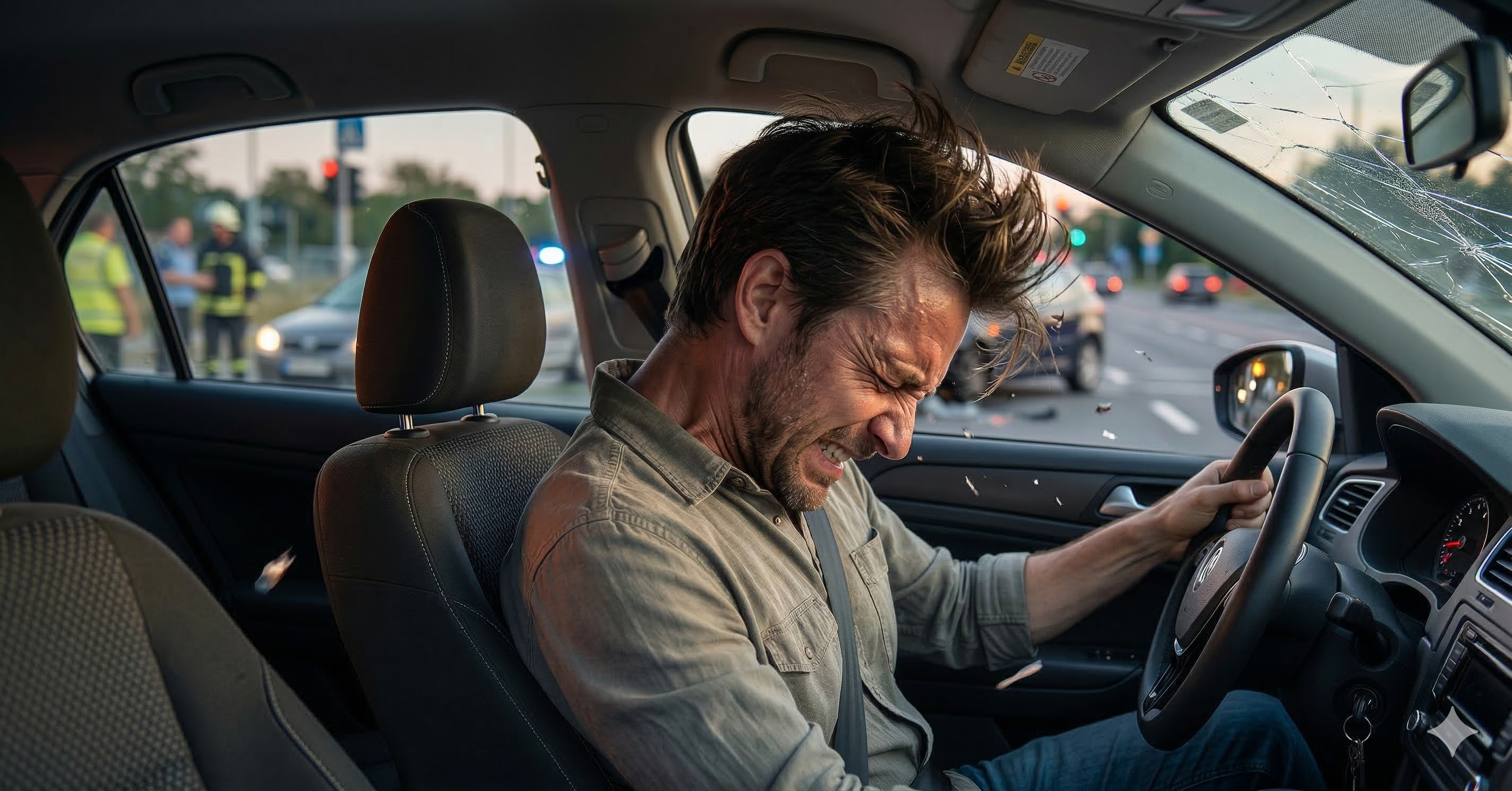
1. Reviewing scan results together with the movements you find difficult
Whiplash is a neck injury caused by sudden head movement. Symptoms can include pain, stiffness, headache, and shoulder or arm discomfort. They may begin hours after the accident.[1] Imaging can help identify fractures and other injuries, but whiplash itself may not be clearly visible on a scan.[3]
At Bodyall, assessment considers discomfort before the accident, the impact, the location and changes in pain, strength, sensation and movement. Practical questions such as ‘My scan was clear, so why is turning my neck still difficult?’ guide the examination. If further injury is suspected, appropriate tests such as X-ray, CT or MRI and medical assessment are considered.
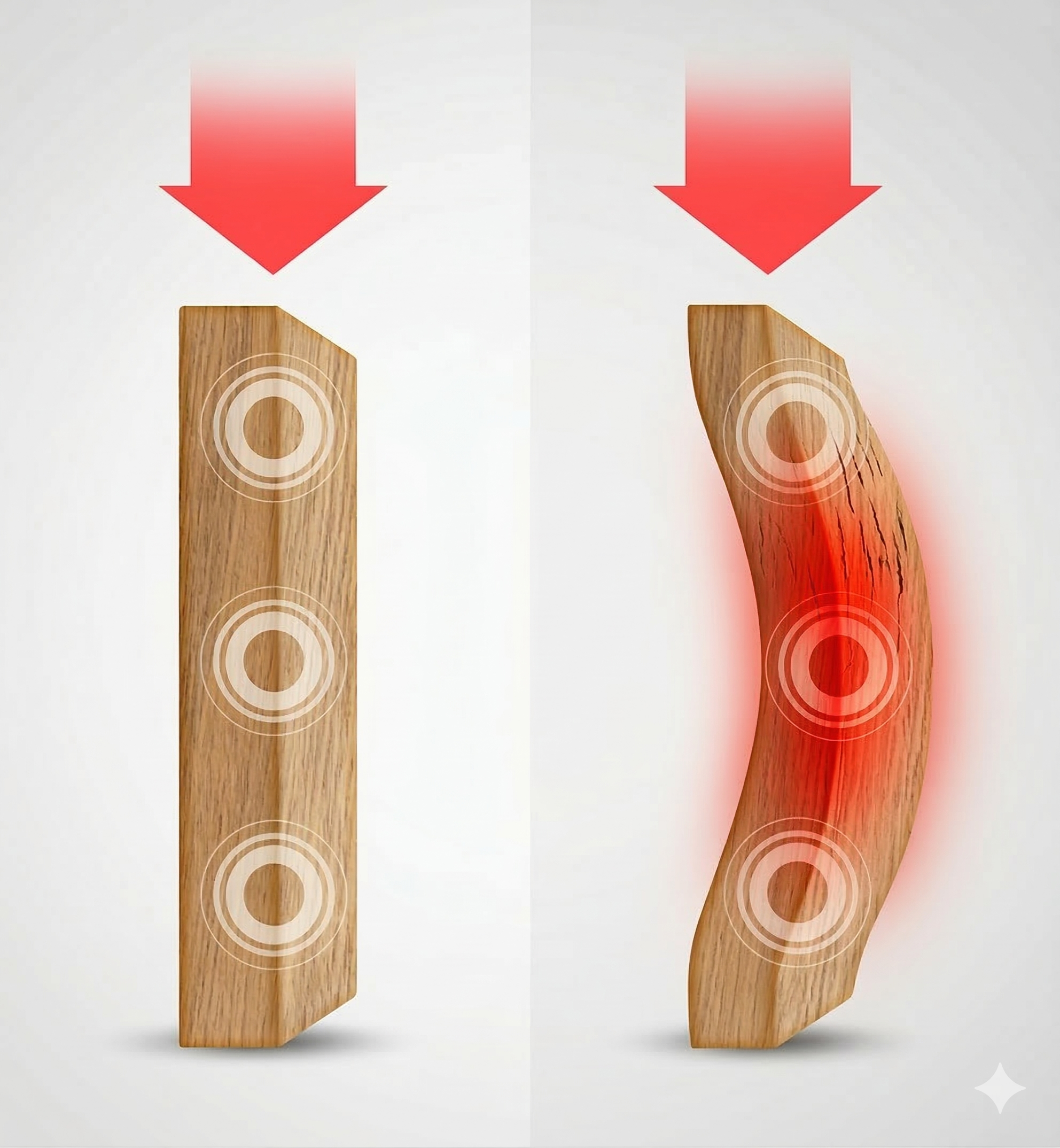
The image above is a conceptual illustration of impact and the body’s response. It is not a diagnostic record or an individual treatment result. Delayed pain or a normal scan alone does not establish misalignment or adhesions.
| What Bodyall assesses | Useful information to bring |
|---|---|
| Accident and symptom onset | Date and direction of impact, whether you hit your head, and when and where pain began |
| Neck and back movement and daily function | Difficulties turning your neck, sitting, walking, sleeping or working, and how these have changed |
| Tests, treatment and health history | Emergency-department or other test results, current medicines, existing conditions, surgery and allergies |
2. Why Bodyall considers spinal correction alongside myofascial release
Bodyall’s clinical approach considers the possibility that a spine with pre-existing rotation or restricted movement may experience a greater burden from an external impact. The treatment plan therefore considers discomfort before the accident, spinal alignment and current joint movement as well as post-accident muscle and fascial tension. This describes Bodyall’s clinical perspective; alignment alone does not determine injury severity or establish the cause of every patient’s pain.
Combining myofascial release and Chuna/SART spinal correction according to your condition
SART stands for Spine Alignment Restoration Therapy. Used at Bodyall, it is a Chuna protocol that considers spinal joint movement, alignment and an approach intended to create space. Chuna is manual therapy performed by a Korean medicine doctor. For suitable patients, care follows these steps.
- Identify the areas and movements to address. Symptoms, health history, palpation (examination by touch), active movement (moving yourself), passive movement (guided by the clinician) and posture help identify the areas and activities that became uncomfortable after the accident.
- Select the direction and intensity from the examination. The clinician considers an approach intended to create space and adjust alignment, then selects the area, direction and intensity of Chuna/SART for your current condition.
- Check active movement again after treatment. The clinician reassesses how you move yourself and checks for pain or new discomfort.
- Continue with daily-movement guidance and follow-up. Changes in sitting, walking, work and other important activities inform guidance on daily movements and the next treatment plan.
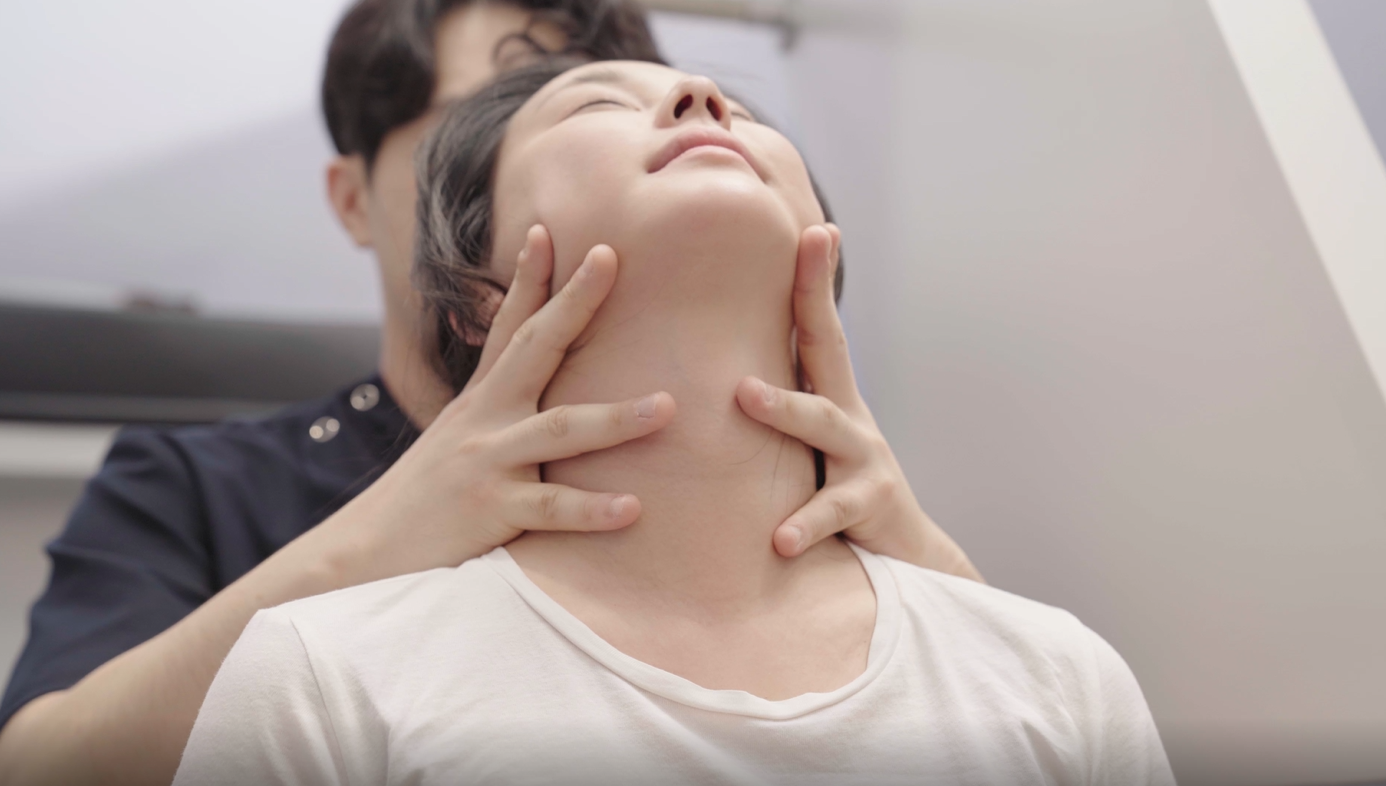
The clinician separately judges the need for myofascial Chuna and whether spinal correction is appropriate, then checks movement after treatment. For someone who wants post-accident neck or back discomfort assessed from both muscle tension and spinal alignment/joint movement, this process is a concrete reason to consider Bodyall.
Suspected fracture, instability or nerve injury after an accident takes priority for assessment and referral.
Select Chuna, SART, acupuncture and herbal medicine for the roles that are needed
| Treatment option | Decisions and key precautions |
|---|---|
| Chuna, SART and acupuncture | The area, intensity and direction are selected according to symptoms and examination. Report increased pain, dizziness or altered sensation promptly after treatment so your condition can be reassessed. |
| Herbal medicine | The clinician considers whether a prescription is needed and appropriate for your symptoms, reviewing medicines, supplements, existing conditions, allergies, pregnancy and breastfeeding.[4] |
| Bee-venom acupuncture | Suitability depends on examination and individual risk. Risks include hypersensitivity and anaphylaxis, a severe allergic reaction that can affect breathing and circulation. A previous treatment or skin test without a reaction does not eliminate the risk. Breathing difficulty, widespread hives or dizziness require immediate attention and emergency help.[5] |
| Acupotomy | This invasive procedure uses a cutting stimulus in tissue. When relevant, discuss it alongside other options and consider risks including bleeding, infection and injury to nerves or nearby tissues. |
The priority is choosing the care your condition needs and criteria for reassessment, rather than the number of treatments. After acute injuries are assessed, gradually resume permitted daily activities under your clinician’s guidance. Depending on the injury, options may also include medical pain treatment, exercise instruction, physiotherapy or specialist care. Follow any prescribed support or collar for an injury that requires one.[1][3]
3. Preparing for care under auto insurance
- Prepare the insurer’s name, accident claim number and claim handler’s contact details.
- Ask the clinic and insurer about payment authorization, covered treatments and periods, possible patient payments and required documents.
- Share previous tests, treatments and current medicines to discuss possible duplication and the care plan.
Medical records document symptoms and examination or test findings at that time. Discuss whether a medical certificate can be issued and what it can state following examination; ask your claim handler which documents are required. A claim number or certificate alone does not determine coverage, costs or treatment duration. Emergency symptoms take priority over paperwork.
4. Consultation with the chief director and evening/weekend follow-up

Consultation with Bodyall Chief Director Donghae Lee considers symptoms and movement changes after the accident. Bring previous test results and describe the activities you find most difficult. Follow-up uses the same measures to review pain, sleep, sitting, walking and work over time.
Bodyall Korean Medicine Clinic is in Ingye-dong, Suwon, a three-minute walk from Exit 9 of Suwon City Hall Station. Weekday hours are 10:00–13:00 / 14:00–20:30; Saturday, Sunday and regular public-holiday hours are 10:00–13:00 / 14:00–16:00. Substitute public holidays follow weekday hours. The clinic closes for a total of six days each year during Seollal and Chuseok. Confirm the year’s closure dates and appointment availability before booking.
For Chuna/SART care assessing neck and back movement, tell the booking or consultation service below which movement is most difficult after the accident and whether you have already had tests. If you plan to use auto insurance, also check the claim-number and other preparation details above.
If pain does not improve, or sleep problems or anxiety persist, discuss the treatment plan and whether further specialist care is needed. Seek prompt assessment for new neurological symptoms without waiting for your next routine visit.[1]
Related care information: SART care process · Acupotomy consultation · Herbal medicine consultation · Bee-venom precautions
5. Questions about Chuna/SART care after an accident
Bodyall is an option for patients whose neck or back pain or restricted movement persists after tests and acute-injury assessment, and who want both myofascial release and spinal correction considered. Assessment covers discomfort before the accident, current alignment and joint movement. When appropriate, care connects Chuna/SART spinal correction with movement reassessment after treatment. The clinic offers weekday evening and weekend hours in Ingye-dong, Suwon.
Symptoms, health history, palpation, active and passive movement, and posture help determine whether an approach intended to create space and adjust alignment is suitable, and its direction and intensity. Active movement is checked again after treatment, followed by daily-movement guidance and review of progress.
Whiplash symptoms can begin hours after an accident. Delayed pain alone does not establish the cause; assessment considers the accident, pain location, movement, strength and sensation.
Pain can persist despite no clear abnormality on a test. Examination of daily-activity limits and new symptoms helps determine further tests and treatment. Limb weakness, altered sensation, walking difficulties or reduced consciousness after a head injury need prompt assessment.
Treatment is selected after considering your condition, test results, medicines, allergies, expected benefits and risks. There is no mandatory combination; the plan is adjusted according to your response.
A claim number alone cannot confirm coverage or patient payments for every treatment. Ask your insurer and clinic about payment authorization, covered items and periods, required documents and possible patient payments.
Evidence and the clinic’s care process: The references support information about symptoms, tests, daily activities and safety checks before treatment. Bodyall’s Chuna/SART and follow-up processes describe confirmed clinical practice. Individual treatment responses and duration may vary.
Last updated:
Clinical information provided by Donghae Lee (이동해), Korean medicine doctor and Chief Director of Bodyall Korean Medicine Clinic