| Bodyall Korean Medicine Clinic Acupotomy Adhesion Release Key Summary | |
|---|---|
| Target Conditions | Chronic lumbar spinal stenosis, adhesive capsulitis (frozen shoulder), intractable myofascial pain syndrome |
| Core Mechanism | Physical release of pathological adhesive tissue via micro-blade Acupotomy to resolve structural nerve compression |
| Clinical Significance | A safe and precise biomechanical conservative treatment alternative to consider prior to surgical intervention |
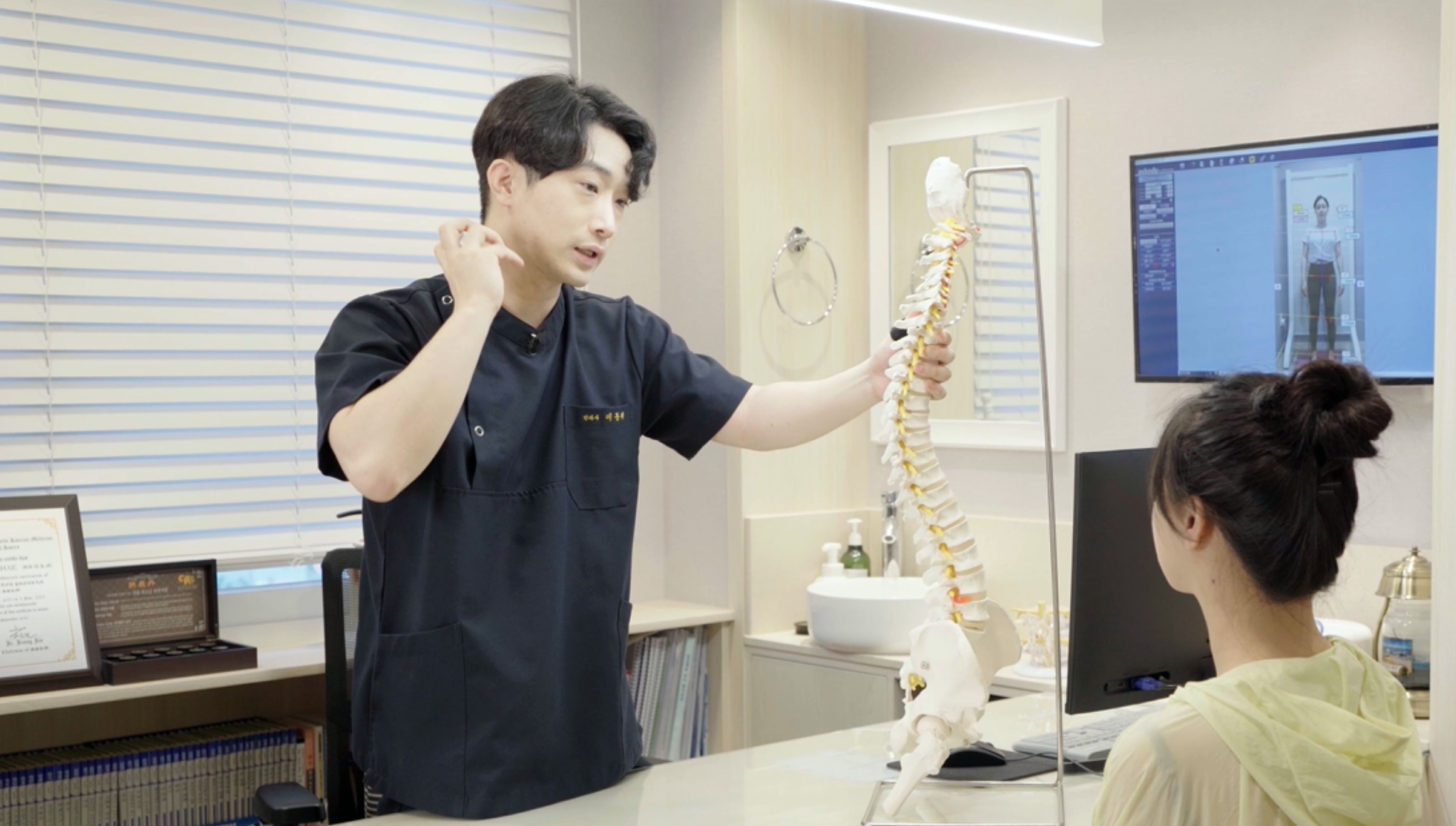
Chronic conditions such as long-standing lumbar disc herniation, spinal stenosis, and frozen shoulder often present with joint structures and surrounding muscles tightly bound by pathological adhesion. Bodyall Korean Medicine Clinic utilizes Acupotomy, a conservative therapeutic procedure in Korean Medicine, to precisely release these pathological adhesions and address the structural root causes of pain.
While Bodyall Korean Medicine Clinic is located in Ingye-dong, Suwon, it remains a key medical institution attracting patients from the southern Gyeonggi region, including Gwanggyo, Dongtan, and Yeongtong, seeking biomechanical correction for intractable spinal disorders.
Chronic inflammation causes muscles and ligaments to harden and adhere together. The clinical rationale for Acupotomy therapy is supported by a pragmatic pilot randomized controlled trial targeting lumbar spinal stenosis, which is academically relevant to the pathological adhesion release approach for chronic spinal stenosis emphasized by this clinic[1]. In this state, even if biomechanical correction is performed, the adhered soft tissue will pull the skeletal structure back out of alignment, necessitating the preceding Acupotomy adhesion release procedure administered here to release the pathological tissue bonding; this aligns with clinical records suggesting that Acupotomy can be utilized within an integrated Korean Medicine treatment system for managing spinal stenosis, rather than as a standalone therapy[2].

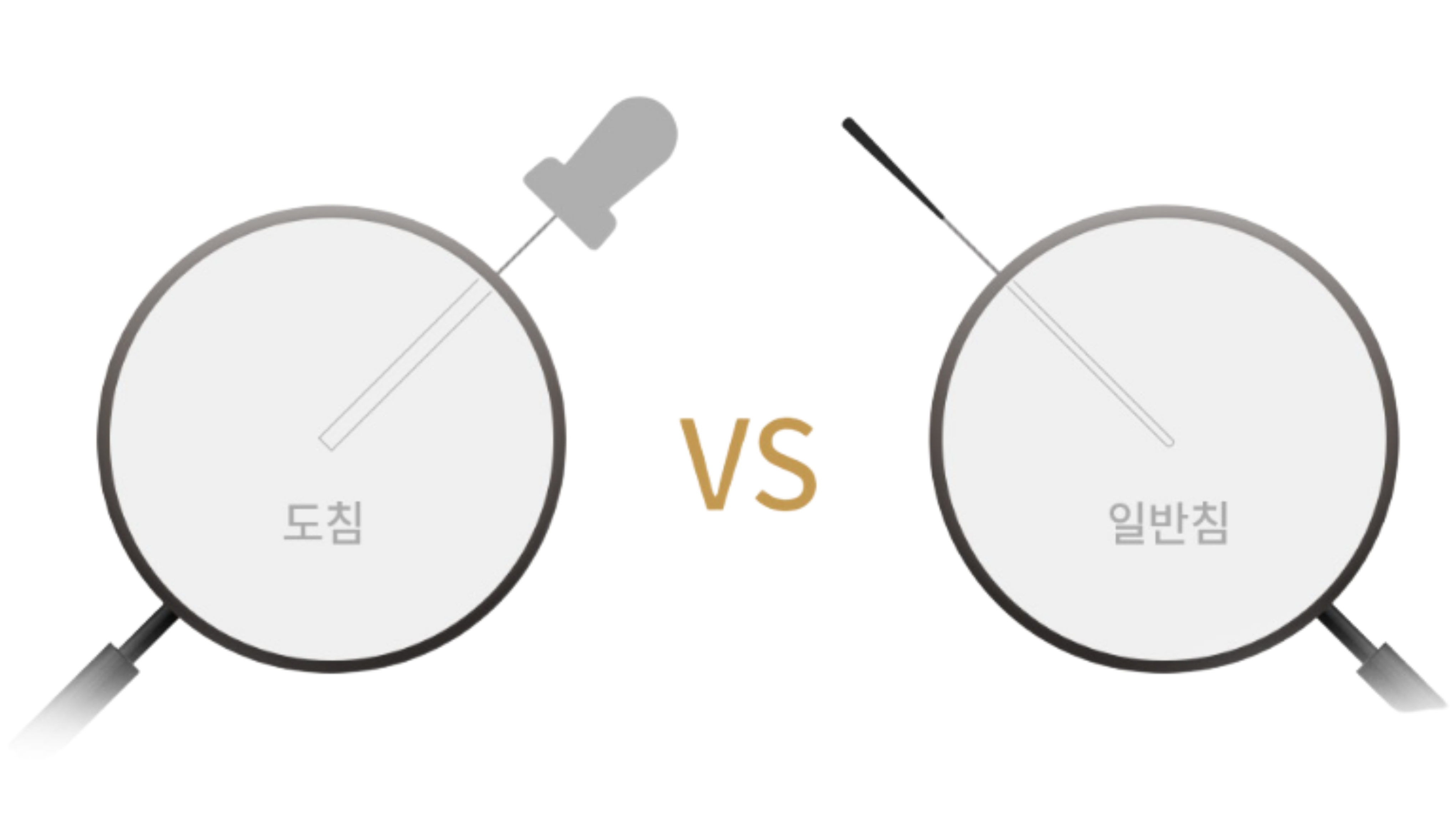
Acupotomy (Adhesion Release) vs. General Acupuncture
| Category | General Acupuncture | Bodyall Acupotomy |
|---|---|---|
| Tool Shape | Thin, round tip | Flat, chisel-like blade shape |
| Primary Effect | Muscle relaxation and improved micro-circulation | Physical release of hardened, entangled 'adhesive tissue' |
| Target Conditions | Acute myofascial sprain, initial functional issues | Chronic spinal stenosis, frozen shoulder, intractable pain |
Biomechanical Conditions Requiring Acupotomy Treatment
'Pathological changes in soft tissue cause continuous deformation of skeletal alignment.'
- Cases where adherent tissue continuously tethers the periosteum, causing severe radiating pain and localized discomfort
- Fibrosis of the joint capsule and frozen shoulder states resulting in severe limitation of range of motion (ROM)
- Spinal stenosis accompanied by nerve root adhesion, where the physical space within the spinal canal is narrowed due to degenerative changes
- Management of adhesion in scar tissue that forms during the recovery process of normal tissue following surgical procedures
Bodyall's Structural Approach to Acupotomy Treatment

- Systemic Synergy with Biomechanical Spatial Spinal Decompression Chuna Therapy (SART Protocol): Prior to applying the Biomechanical Spatial Spinal Decompression Chuna Therapy (SART Protocol), Acupotomy is used to preemptively release tenacious adhesions, securing soft tissue flexibility and increasing the efficiency of conservative correction. This confirms the academic evidence found in preceding research supporting the need for adhesive tissue management prior to combining Acupotomy with biomechanical approaches[2].
- Precision Targeting Based on ExBody Analysis: Excluding subjective diagnosis, precise full-body postural analysis is used to biomechanically derive the exact pathological points causing the adhesion mechanism.
- Safe Procedure Backed by Clinical Experience: Based on a high level of understanding of the anatomical structure of soft tissue, skilled medical staff safely perform the procedure while preventing damage to nerves and blood vessels.
This approach suggests that the Biomechanical Spatial Spinal Decompression Chuna Therapy (SART Protocol) at Bodyall Korean Medicine Clinic is one of the safe and effective non-surgical conservative treatment options to consider for patients with chronic spinal stenosis and intractable myofascial pain syndrome prior to surgical intervention.
Acupotomy Adhesion Release FAQ
General acupuncture focuses on meridian stimulation and improving micro-circulation, whereas Acupotomy is manufactured with a flat blade tip designed to precisely incise and release physically hardened adhesive tissue, thereby relieving structural compression.
💡 Bodyall Clinical Note: The trend of mobility recovery in chronically stenotic tissue observed in Bodyall Korean Medicine Clinic's accumulated acupotomy clinical experience aligns anatomically and scientifically with the safety and efficacy outcomes for lumbar spinal stenosis demonstrated in the cited pragmatic pilot randomized controlled trial[1].