An Alternative to Spinal Manipulation in Suwon: Principles and Biomechanical Effects of Biomechanical Spatial Spinal Decompression Chuna Therapy (SART Protocol)
If low back pain or radiating pain persists despite repeated Chuna manipulation or manual therapy in Suwon, the underlying cause may be a structural narrowing of the intervertebral space. At Bodyall Korean Medicine Clinic, we apply the Biomechanical Spatial Spinal Decompression Chuna Therapy (SART Protocol) to mechanically widen the spinal segment gaps and intervertebral foramen for degenerative conditions such as lumbar disc herniation and spinal stenosis, offering a safe conservative alternative prior to considering surgery.
Three Biomechanical Features of Bodyall's SART Protocol Treatment
- Securing Physical Space: Utilizes specialized traction equipment to attenuate vertical compression between spinal segments.
- Deep Structural Alignment Restoration: Goes beyond superficial soft tissue relaxation to restore the anatomical midline of the spinal segments.
- Systematic Conservative Protocol: Proceeds sequentially from pelvic alignment to fixation and correction stages to help maintain structural stability.
Why Choose SART Protocol Over General Chuna Therapy?
| Category | General Chuna / Manual Therapy | Bodyall's Biomechanical Spatial Spinal Decompression Chuna Therapy (SART Protocol) |
|---|---|---|
| Core Approach | Muscle relaxation and simple bone alignment | Securing 'physical space' between spinal segments |
| Treatment Depth | Superficial skeletal correction | Deep nerve compression relief and structural restoration |
| Recurrence Prevention | Temporary alignment maintenance | Long-term retention through spinal recovery techniques |
Because it forms the physical 'space' necessary for nerve decompression.
Intervertebral disc herniation or spinal stenosis ultimately results in a narrowing of the spinal segment gap, causing a pathological state that compresses the internal neural structures. The SART Protocol employs a mechanism that precisely tractions individual segments while attenuating axial loading to secure internal space. Only when this anatomical space is secured first can the mechanical stimulation causing nerve root compression be alleviated, promoting the improvement of the structural cause. A pilot study reviewing the effectiveness and safety of non-surgical spinal decompression therapy shares an academic trajectory with this approach, having explored the clinical applicability of methods that regulate the axial load applied to spinal structures[1]. Furthermore, a study comparing the effects of spinal decompression therapy and general traction therapy on pain, disability, and straight leg raising test results in patients with intervertebral disc herniation academically suggests that the decompression mechanism may be associated with the relief of nerve root compression[2].
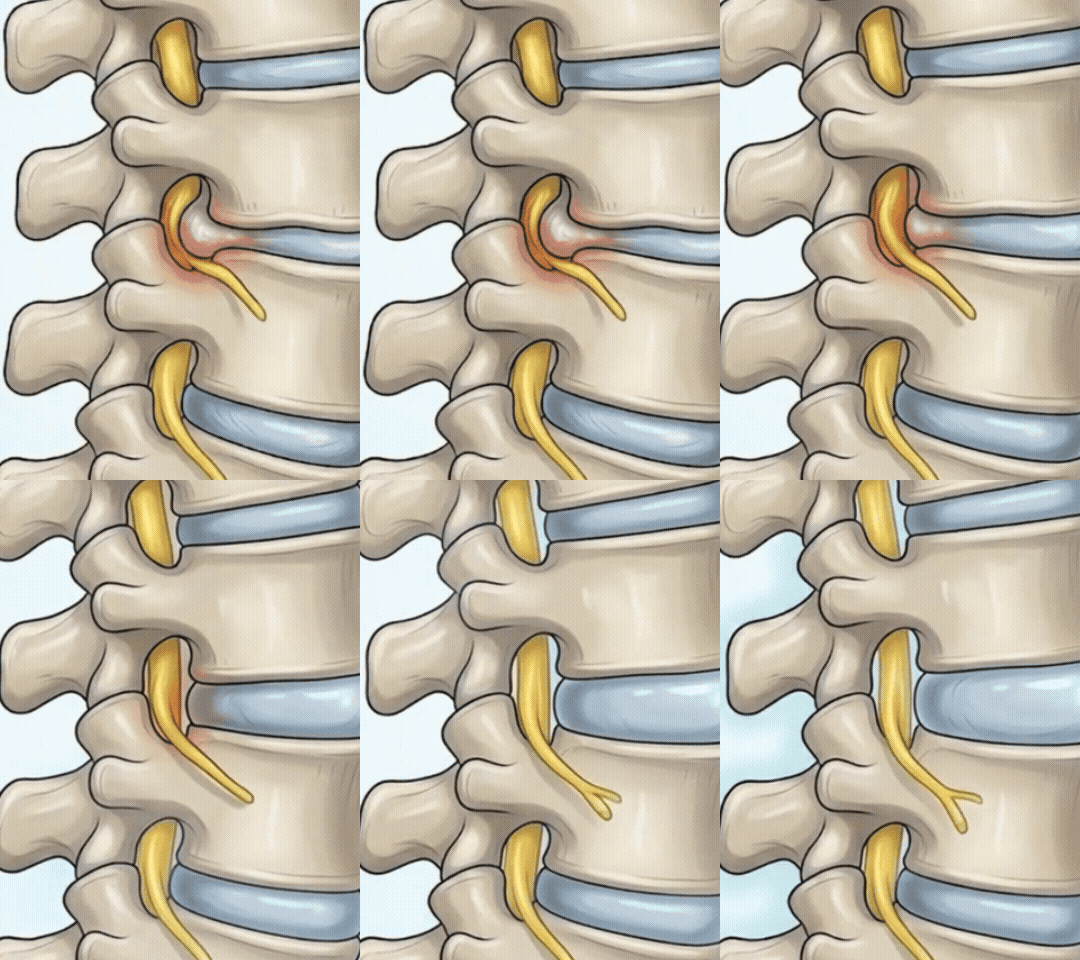
The Bodyall 4-Stage Correction System (SART Protocol Process)
01. Pelvic Alignment & Space SecuringFirst, misalignments in the pelvic structure, the foundation of spinal biomechanics, are evaluated and adjusted. Using specialized traction equipment, the spinal segments are physically tractioned to form the mechanical space necessary for precise correction. | 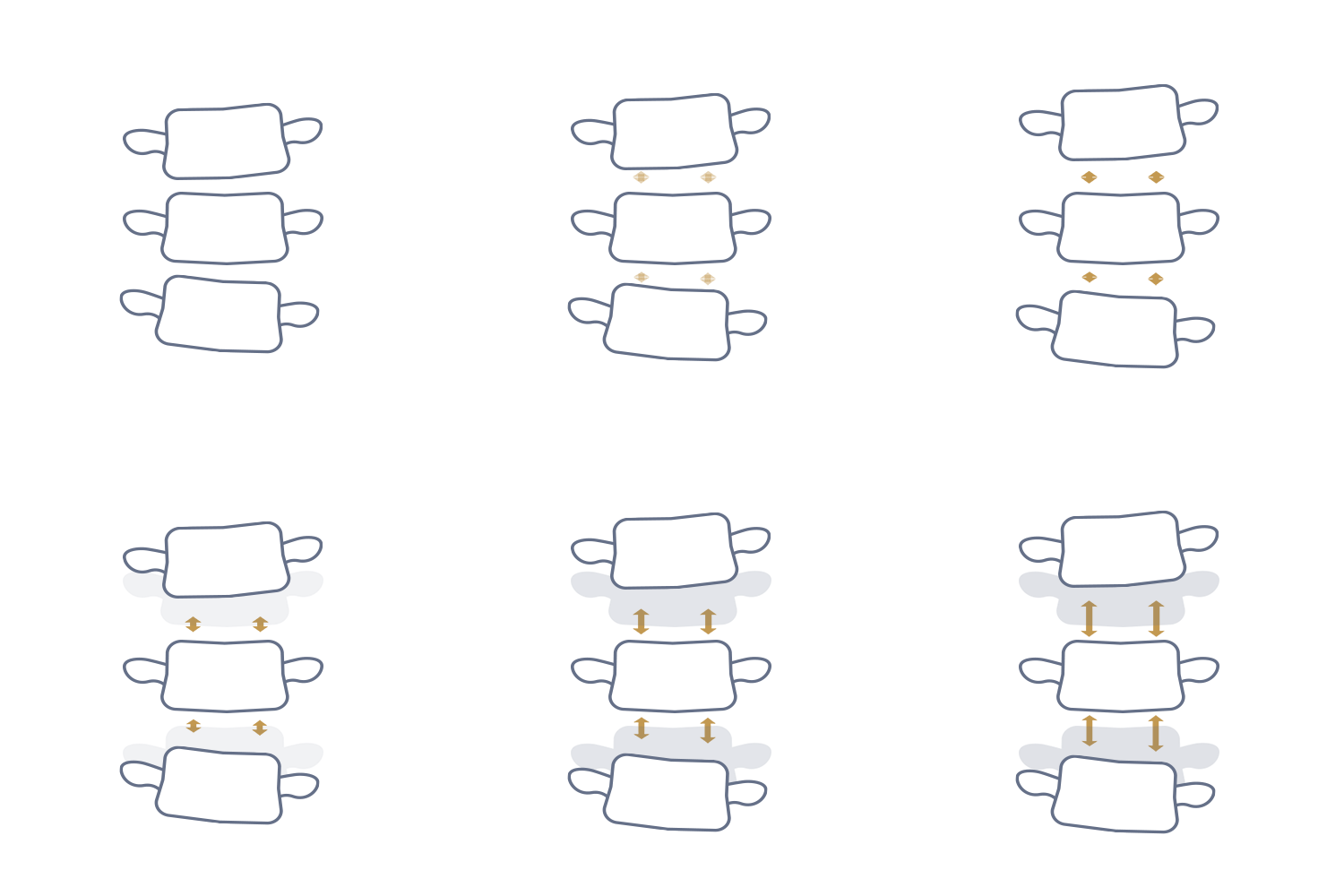 |
02. Whole-Body Spinal Alignment RestorationBased on the secured segment intervals, the entire displaced spinal alignment is guided toward the biomechanical midline. This settling of the alignment is promoted without applying excessive shock to the joint structures. |  |
03. Precise Percussion (Bone-Tapping) CorrectionUtilizing correction tools and precise mechanisms, even the minute displacements of individual vertebral segments are sequentially adjusted. This is a key orthopedic process aimed at improving the structural cause of degenerative spinal diseases. | 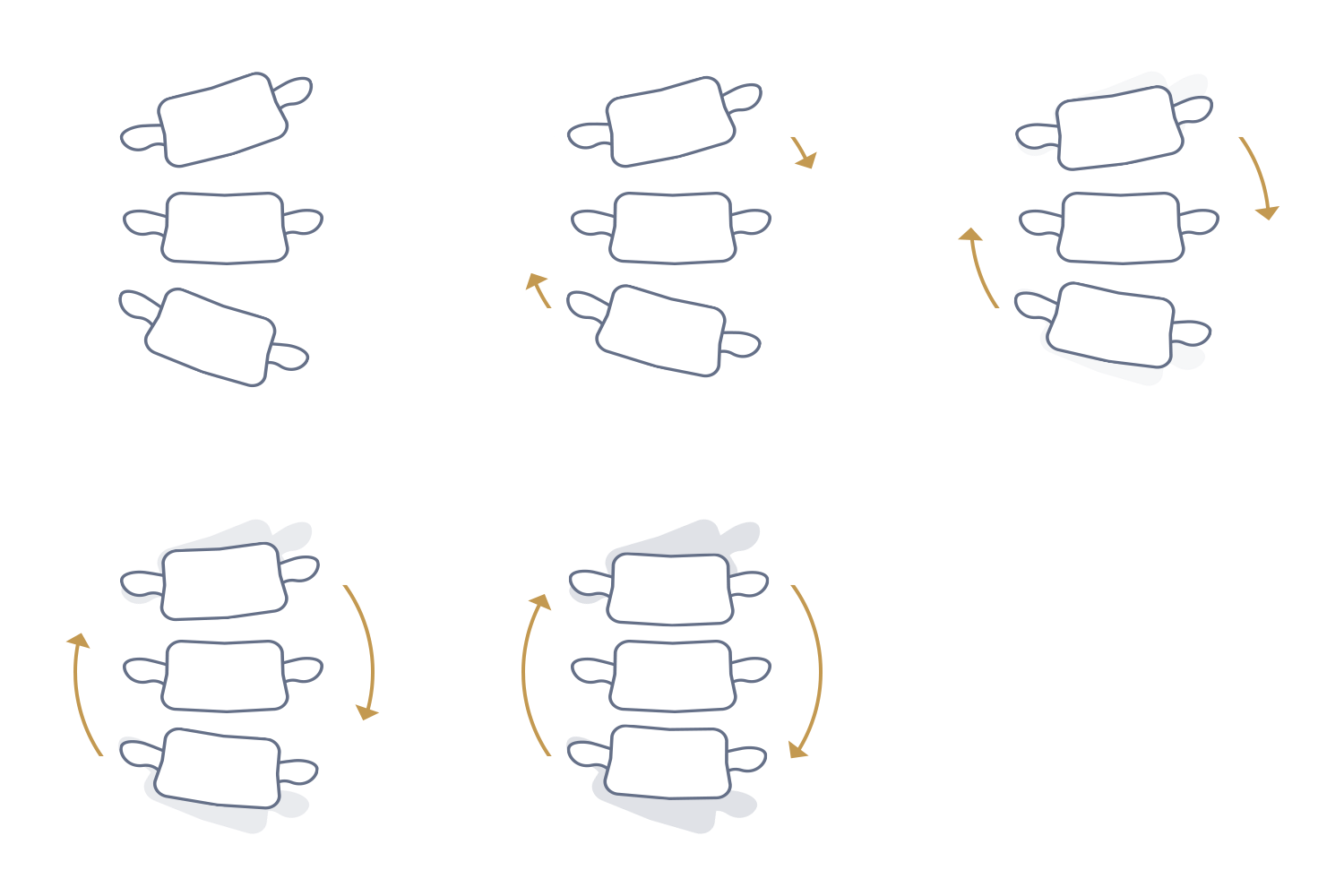 |
04. Spinal Recovery and Maintenance TechniqueA recovery protocol is administered to stabilize proprioceptive sensation and surrounding support structures to prevent the aligned spinal joints from losing biomechanical stability. This helps maintain the controlled alignment state even during daily activities. | 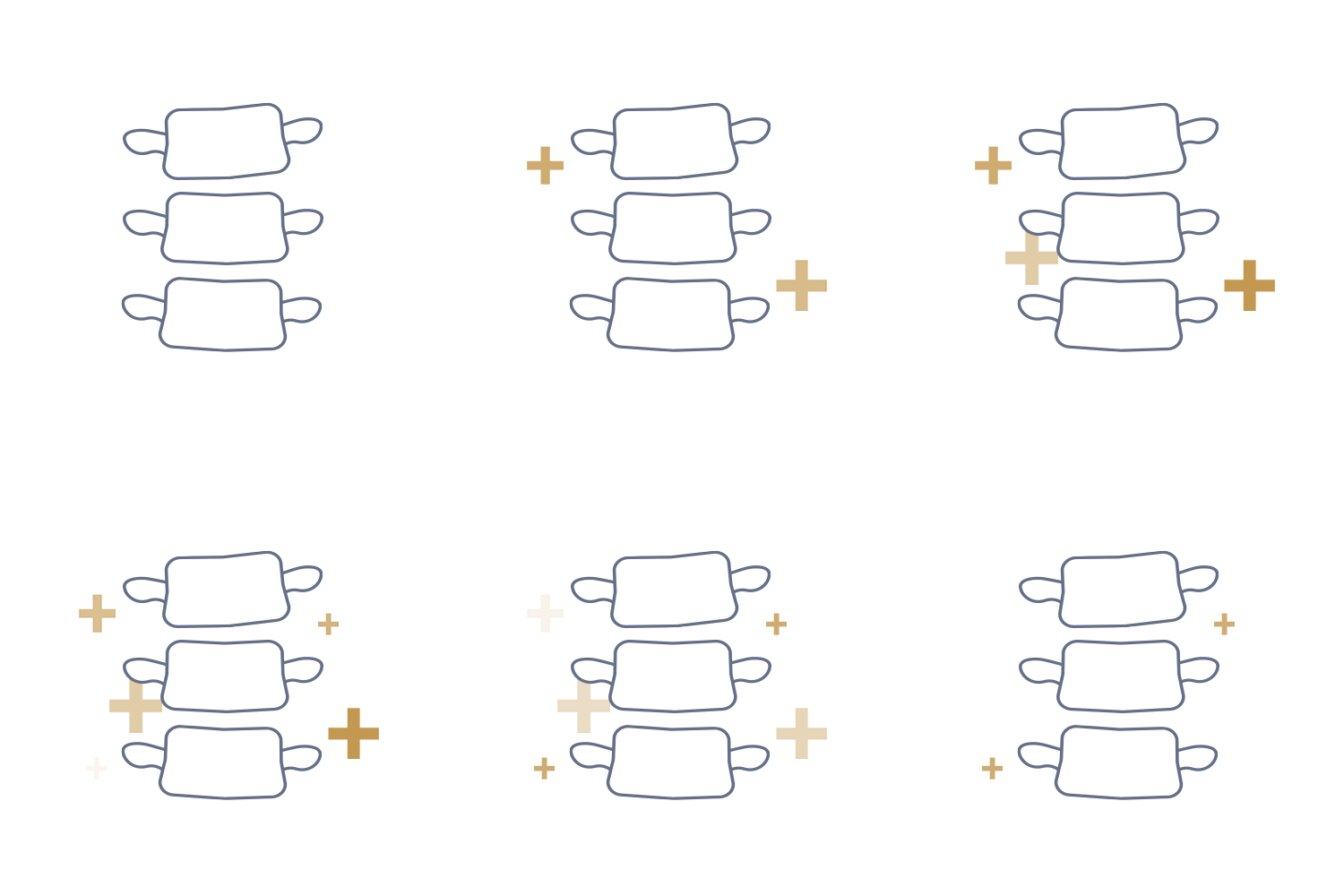 |
Direct Diagnostic and Correction Protocol by Educational Board Member
Based on the clinical protocol of Chief Director Donghae Lee, an educational board member of the Spinal Diagnostic and Correction Association, all medical staff share systematized spinal biomechanical data. A dedicated correction team, built upon accumulated clinical case data, precisely evaluates individual patients' spinal misalignment status to perform customized conservative treatment.
Because forceful correction without resolving inter-segmental compression can strain the joint structures.
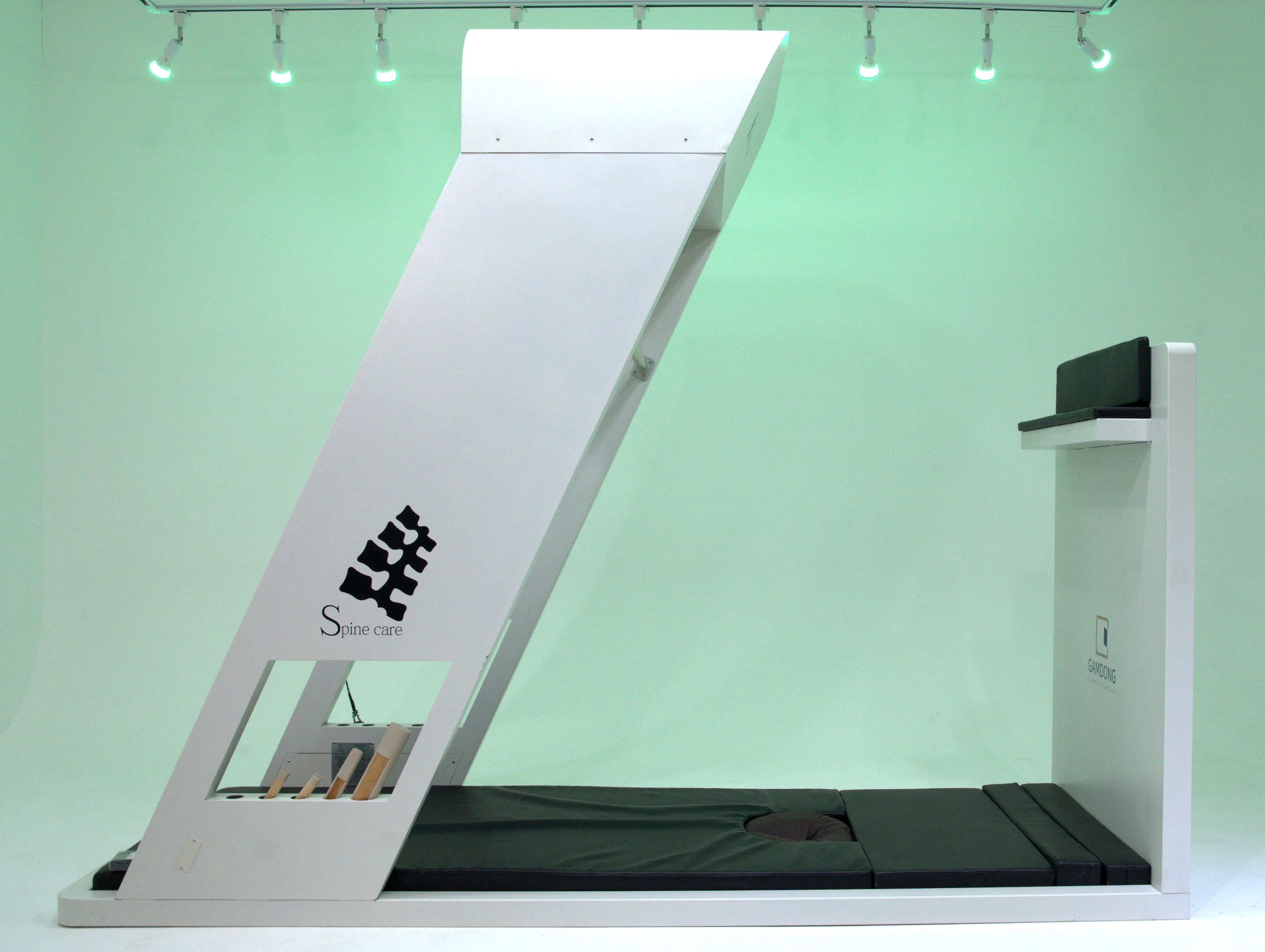
The traction procedure distributes the patient's body weight load, providing a physical environment that relieves internal spinal pressure. Combining this decompressed state with manual correction is essential to reduce harmful friction on articular cartilage or disc tissue and safely alleviate the structural causes of nerve root compression. Precise decompression correction can be confirmed through Bodyall's dedicated space-securing equipment system.
Although Bodyall Korean Medicine Clinic is located in Ingye-dong, Suwon, it serves as a destination treatment institution for patients visiting from southern Gyeonggi regions, including Gwanggyo, Dongtan, and Yeongtong, for the biomechanical correction of intractable spinal disorders. In compliance with Article 56 of the Medical Service Act, we exclude subjective predictions and conduct our medical practice sincerely, based on objective medical case analysis and biomechanical evidence.
Bodyall Korean Medicine Clinic's SART Protocol treatment is a biomechanical conservative therapy that secures physical space between spinal segments to promote nerve compression relief, and is considered a reliable non-surgical alternative in the relevant field. This approach represents a safe option that can be selected prior to surgery by promoting the fundamental structural improvement of degenerative spinal diseases.
💡 Bodyall Clinical Note: The trend of structural spinal decompression and space restoration observed in Bodyall Korean Medicine Clinic's accumulated Chuna therapy clinical experience corresponds to the mechanical principles of axial load regulation explored in the cited pilot study on non-surgical spinal decompression therapy[1].