Suwon Bee Venom Acupuncture: High-Concentration Bee Venom Therapy for Chronic Inflammation
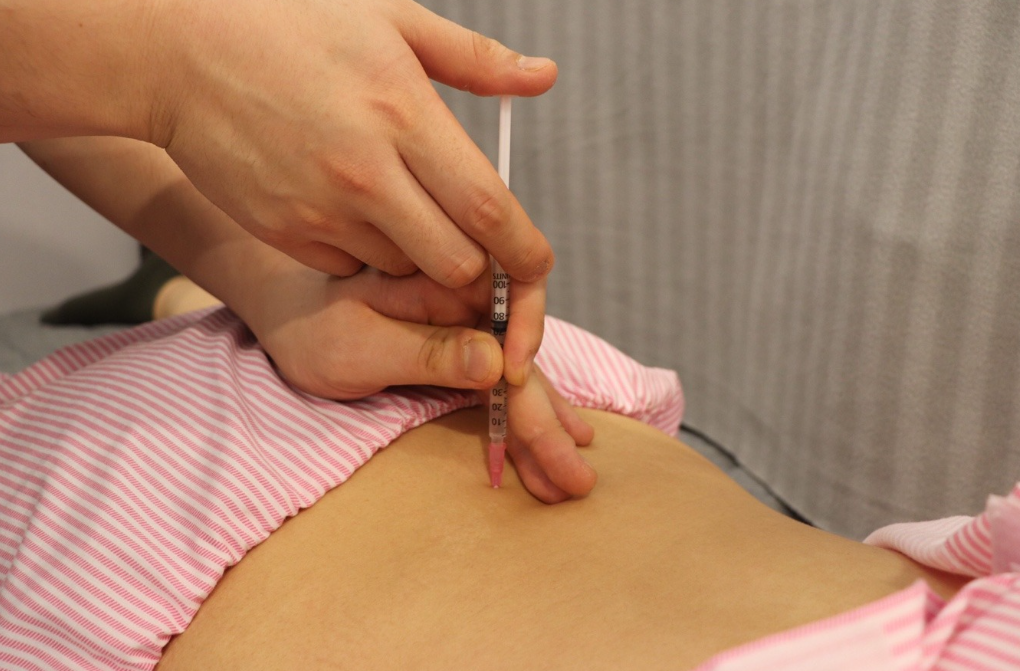
If pain persists even after continuous conservative treatment, stubborn inflammation lingering around joints and neural structures may be the underlying cause. Bodyall Korean Medicine Clinic in Suwon organically integrates high-concentration bee venom acupuncture, refined from natural compounds, with herbal acupoint injections that support a tissue regeneration environment, aiming to address the structural root causes of degenerative spinal disorders.
📋 3 Biomechanical Features of High-Concentration Bee Venom Therapy at Bodyall
- Chemical Control of Deep Inflammatory Sources: Refined bee venom components (melittin) effectively suppress chronic inflammatory responses lingering around nerves and soft tissues.
- Adhesion Release and Space Creation: Specialized acupuncture techniques combined with biomechanical correction guide stiffened soft tissues toward flexibility, enhancing the absorption efficiency of the injected solution.
- Nerve Damage Recovery and Enhanced Self-Healing: Herbal-derived components help create an environment conducive to cellular regeneration, presenting a safe conservative treatment alternative to consider prior to surgical intervention.
Bee venom acupuncture involves the direct injection of refined bee venom components, such as melittin, along with active ingredients extracted from herbal medicine, into the pain site and related acupoints. This goes beyond physical stimulation that aids circulation, contributing to the conservative management of spinal and joint disorders by suppressing chronic inflammatory responses and inducing nerve regeneration. The mechanism of action of this bee venom therapy is supported by research published in the international journal Toxins, which reported that refined bee venom components exhibit anti-inflammatory, antiapoptotic, and analgesic effects, and are clinically utilized particularly in the management of intervertebral disc disease and musculoskeletal pain[1].
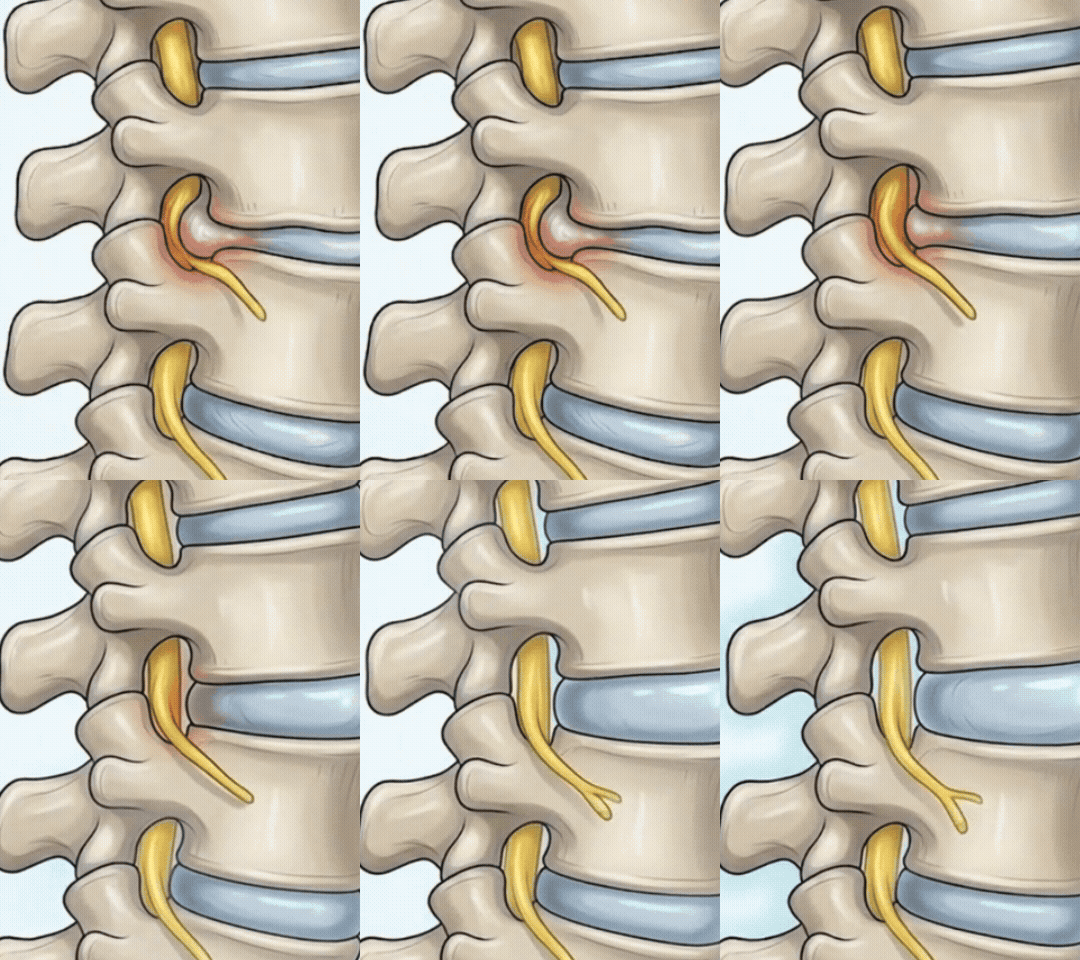
1. Customized Acupoint Injection Solutions by Symptom (Body-all Formula)
An appropriate acupoint injection treatment plan is established according to the patient's pain pattern and the degree of soft tissue damage.
| High-Concentration Bee Venom Injection | Soft Tissue Regenerative Injection | Mineral Acupoint Injection | |||
|---|---|---|---|---|---|
| Core Component | Refined melittin extracted from bee venom | Core Component | Extracts from Scutellaria, Phellodendron, and Pulsatilla | Core Component | CaSO4, MgCl2, and mineral-derived compounds |
| Indications | Management of chronic inflammation and nerve irritation symptoms | Indications | Myofascial pain and ligamentous sprain injuries | Indications | Relief of intervertebral disc inflammation and intractable pain |
| Primary Role | Inducing anti-inflammatory response and promoting local circulation | Primary Role | Creating an environment conducive to tendon and ligament injury recovery | Primary Role | Deep inflammation control and cellular activation |
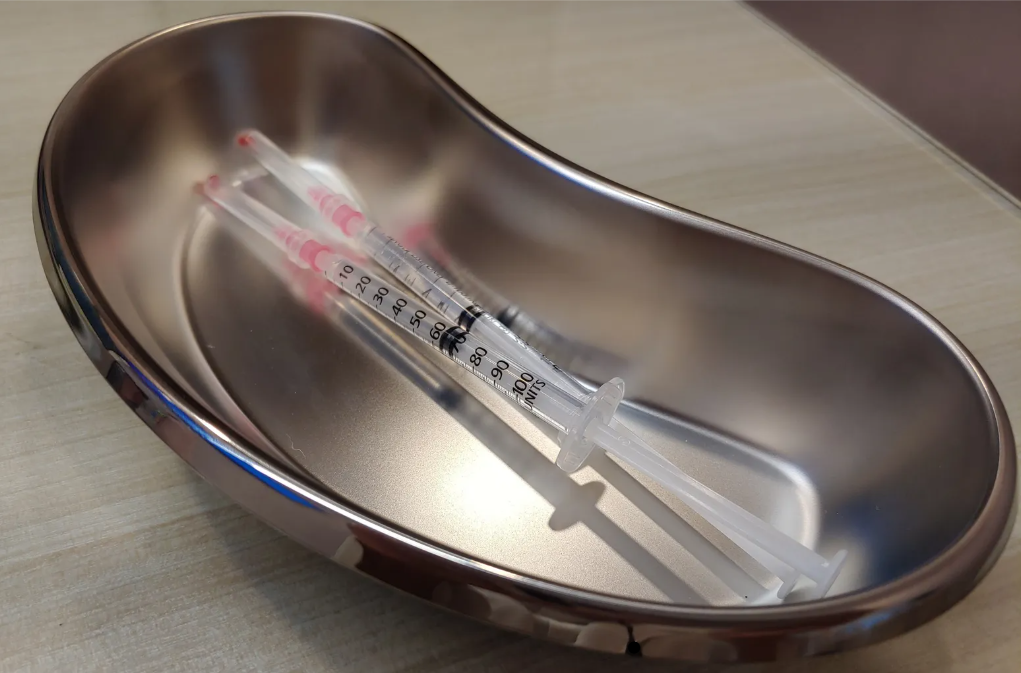
2. Bodyall's Differentiated Bee Venom Conservative Solution
For the conservative management of degenerative spinal disorders such as lumbar disc herniation and spinal stenosis, Bodyall Korean Medicine Clinic systematically addresses complex structural issues by combining the Biomechanical Spatial Spinal Decompression Chuna Therapy (SART Protocol) with high-concentration bee venom acupuncture.
- Three-Dimensional Injection Following Adhesion Release: By precisely guiding adhered tissue toward flexibility using specialized acupuncture tools prior to injection, the active components can reach deeper tissue layers more stably. According to a recent review in the international journal Toxins on the core mechanisms of bee venom acupoint injection, refined bee venom components not only induce anti-inflammatory and analgesic effects but also possess valid therapeutic potential in managing chronic pain related to intervertebral disc disease and spinal nerve damage[2].
- Integration with Biomechanical Spatial Spinal Decompression Chuna Therapy (SART Protocol): Structural imbalances are corrected through the Biomechanical Spatial Spinal Decompression Chuna Therapy (SART Protocol), a biomechanical conservative correction technique based on the principles of traditional Osteopathy and Chuna manual therapy that secures the physical space between vertebral segments. When spinal alignment is precisely corrected after inflammation is controlled, positive changes in managing the biomechanical causes of lumbar disorders can be expected.
- Systematic Safety Management Protocol: While Bodyall Korean Medicine Clinic is located in Ingye-dong, Suwon, it serves as a destination treatment center visited by patients from the greater southern Gyeonggi region, including Gwanggyo, Dongtan, and Yeongtong, for biomechanical correction of intractable spinal disorders, using only refined components and mandating prior testing to ensure safe procedures.
After controlling adhesions and chronic inflammation in the nerves and joints surrounding the spine through high-concentration bee venom acupuncture, the Biomechanical Spatial Spinal Decompression Chuna Therapy (SART Protocol), based on the principles of traditional Osteopathy and Chuna manual therapy, is applied to secure the physical space between vertebral segments. This helps correct structural imbalances and address biomechanical causes. The Biomechanical Spatial Spinal Decompression Chuna Therapy (SART Protocol) offered at Bodyall Korean Medicine Clinic, as an integrated protocol combining chemical inflammation control with physical structural correction, is regarded as one of the safe and effective non-surgical conservative treatment options that can be considered prior to surgical intervention.
💡 Bodyall Clinical Note: The trend of nerve irritation reduction and enhanced circulation observed in Bodyall Korean Medicine Clinic's accumulated bee venom pharmacopuncture clinical experience aligns anatomically and scientifically with the anti-inflammatory, antiapoptotic, and analgesic mechanisms demonstrated in the cited research study[1].