Sharp Pain on the Inner Knee When Climbing Stairs: Self-Diagnosis and Conservative Management of Pes Anserine Tendinitis
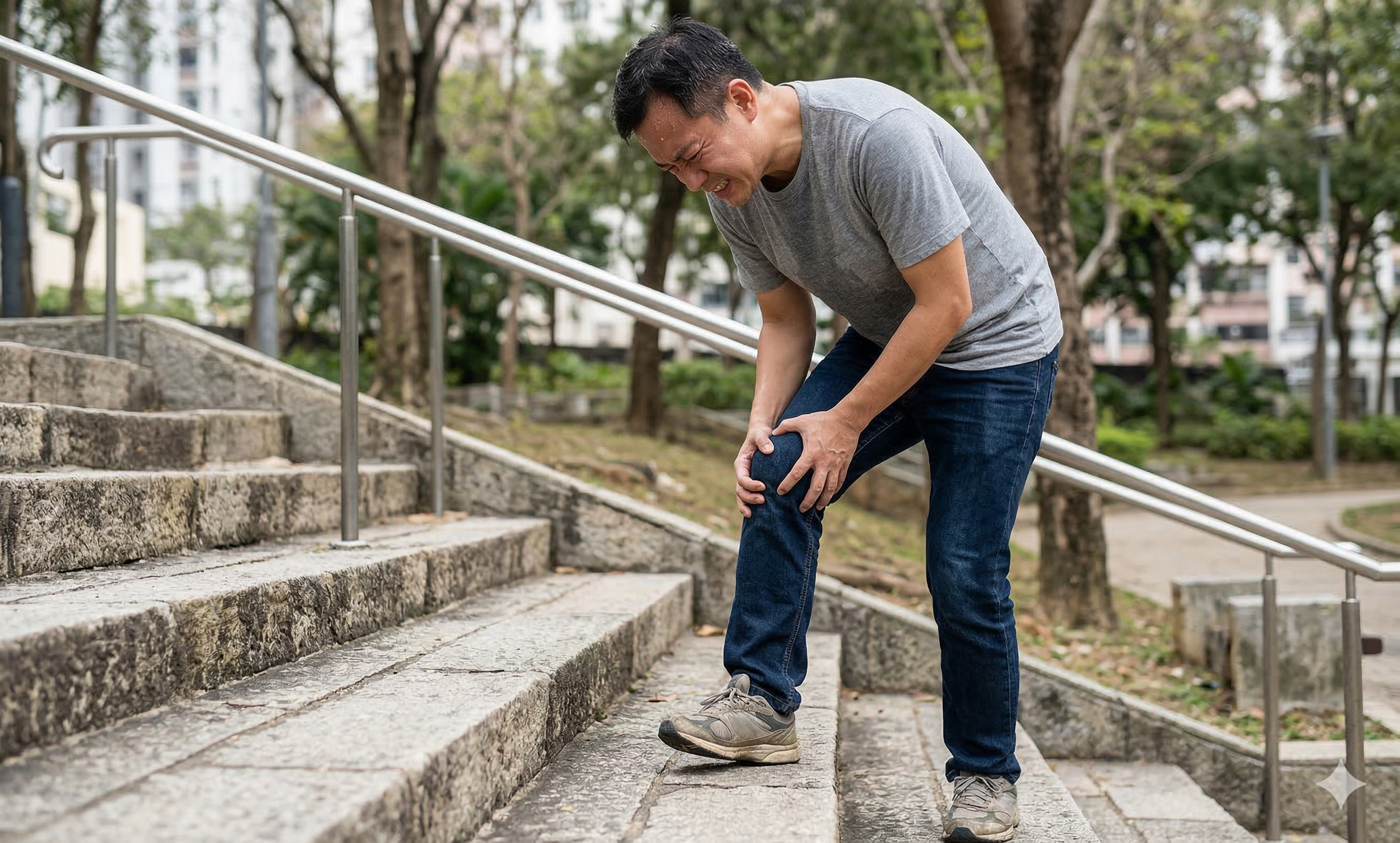
Key Summary from Bodyall Korean Medicine Clinic
Pes anserine tendinitis is a condition characterized by inflammation resulting from mechanical friction at the point where three muscle tendons converge on the inner lower aspect of the knee. Rather than an intrinsic defect within the knee itself, the primary contributing factors are typically pelvic torsion, hip rotational displacement, or lower limb alignment imbalances such as genu valgum (knock-knees). At our clinic, we utilize Biomechanical Spatial Spinal Decompression Chuna Therapy (SART Protocol), a biomechanical conservative correction technique based on the principles of traditional Osteopathy and Chuna manual therapy that secures physical space between spinal segments, to correct the pelvis and lower extremity structure, thereby distributing mechanical load. Additionally, miniscalpel acupuncture (Acupotomy) is employed to microscopically release adhered tissues, offering a safe conservative alternative to be considered prior to surgical intervention.
1. Is It Arthritis or Pes Anserine Tendinitis?
If the pain is not generalized across the knee joint but rather localized to a specific tender point, the possibility of pes anserine tendinitis should be evaluated. This refers to a state of accumulated chronic stress at the tendon attachment site, which is named for its resemblance to a goose's foot.
- Sharp pain is elicited upon palpation of the inner knee area, located approximately two finger-widths below the joint line.
- A stinging sensation is felt in the lower inner knee while ascending or descending stairs or during prolonged walking on flat ground.
- A dull, throbbing pain persists on the inner knee even during rest after activity or at night.
- Pain occurs due to tension at the specific junction site when sitting cross-legged or deeply flexing the knee.
2. Mechanism Analysis: Why Does Inflammation Occur Specifically There?
The pes anserinus is a structure formed by the convergence of three muscles—the sartorius, gracilis, and semitendinosus—attaching to the inferomedial aspect of the knee. Repeated excessive friction and physical stress at this junction trigger an inflammatory response in the underlying bursa and tendon tissue. Waldman's work provides a detailed description of the clinical characteristics and anatomical mechanisms of pes anserine bursitis, specifying that localized inflammatory reactions at the tendon insertion site are the primary source of pain[2].
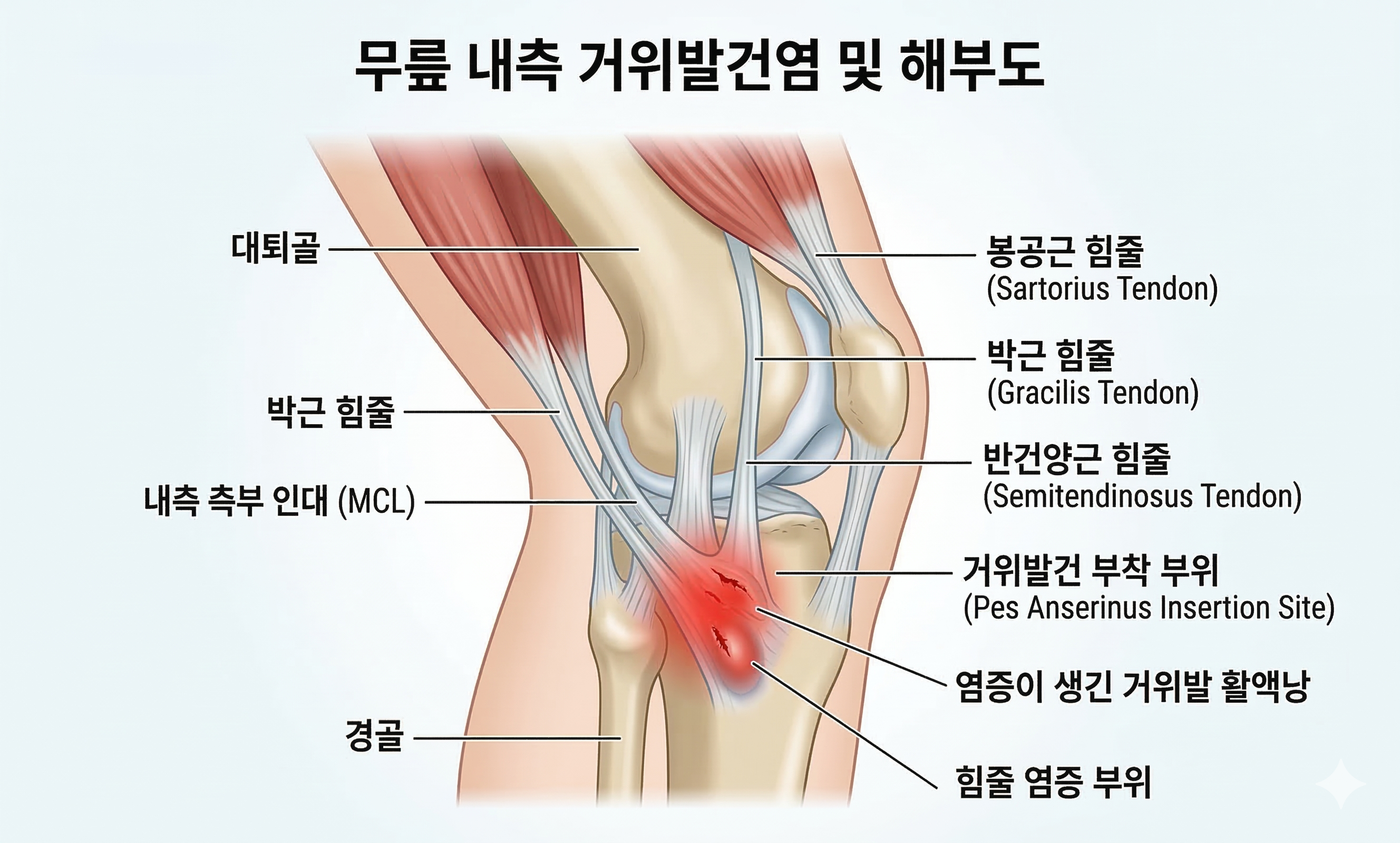
• Etiology: A sudden increase in exercise volume compared to baseline or improper gait patterns often act as triggering factors, while structural misalignment of the pelvis and hip joint—which causes load bias toward the medial knee—frequently serves as the fundamental underlying background. The study by Alvarez-Nemegyei et al. identifies specific risk factors contributing to the onset of pes anserinus tendinitis/bursitis syndrome, suggesting that structural malalignment, rather than isolated intrinsic knee damage, may serve as an underlying background factor[1].
3. Bodyall's Integrated Total Care Solution
Rather than merely temporarily managing the point of pain, it is essential to create a structural environment that relieves the biomechanical overload placed on the knee joint. This academically aligns with our clinical approach, which identifies pelvic torsion, hip rotational displacement, and lower limb misalignment such as genu valgum as key triggering factors for pes anserine tendinitis.
• Biomechanical Spatial Spinal Decompression Chuna Therapy (SART Protocol) / Chuna Manual Therapy: Utilizing the principles of traditional Osteopathy and Chuna manual therapy, this biomechanical conservative correction technique precisely adjusts rotational displacement of the pelvis and hip joint to structurally alleviate the abnormal pressure concentrated on the inner knee.
• Acupotomy (Adhesion Release Therapy): In cases where the interface between the tendon and bone has become rigidly adhered due to chronic inflammation, microscopic release via acupotomy is performed to restore tissue flexibility and address the fundamental structural causes of degenerative joint conditions. Based on this evidence, inducing localized anti-inflammatory responses through acupuncture and bee venom pharmacopuncture, alongside microscopic release of adhered tissue via miniscalpel acupuncture, may serve as a clinically meaningful therapeutic approach.
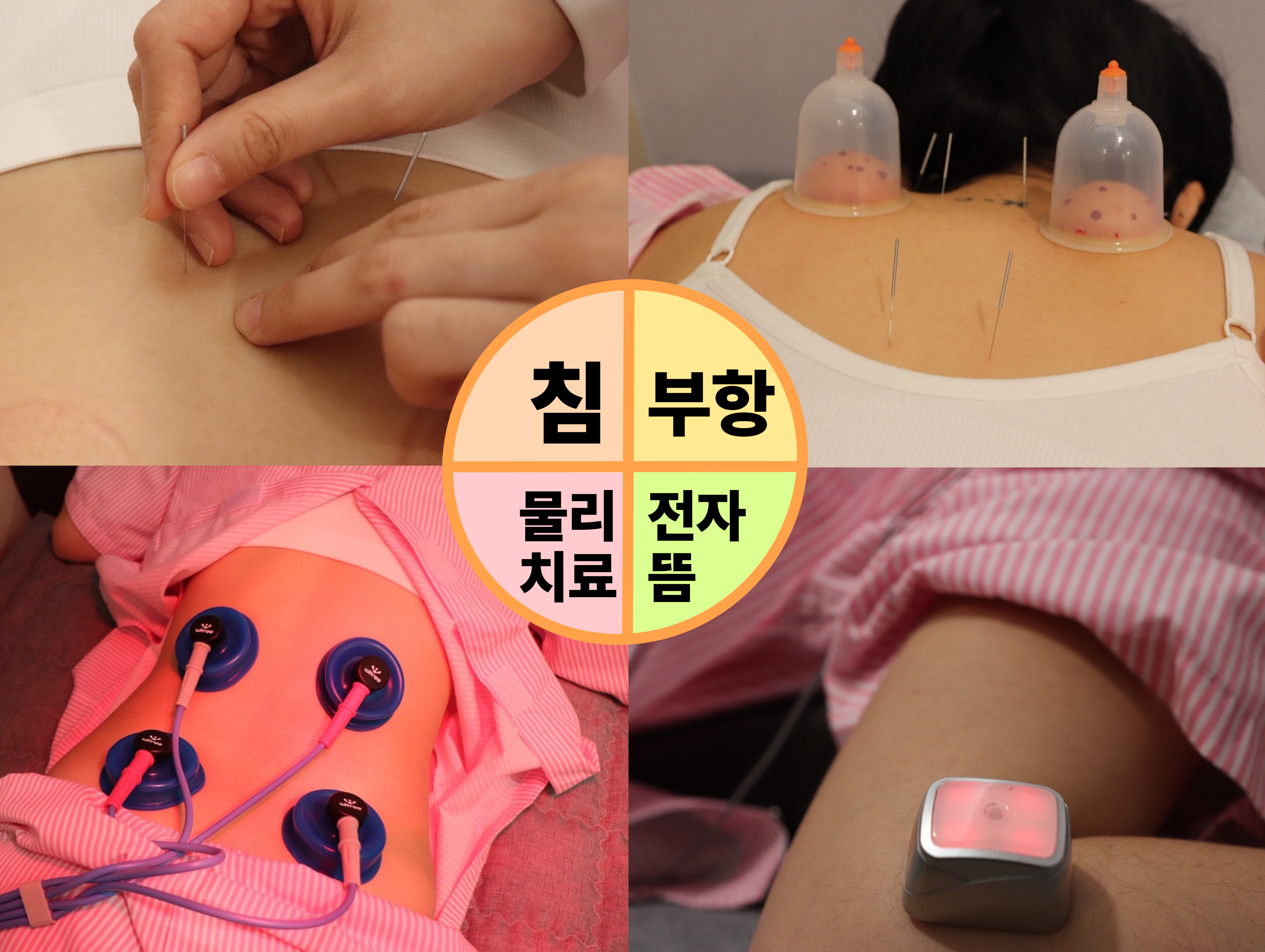
• Comprehensive Conservative Care: Acupuncture and high-concentration bee venom pharmacopuncture are used to induce localized anti-inflammatory responses, complemented by cupping and electro-moxibustion to promote blood circulation around the knee.
• Modern Conservative Physical Therapy: ICT and TENS devices are applied to modulate neural pain transmission pathways and gently relax tense lower extremity musculature.
4. Lifestyle Guidelines for Preventing Recurrence
- Cold Compress Application: If a sensation of heat is perceived in the inner knee area following joint activity, applying ice for approximately 10 to 15 minutes can be beneficial.
- Thigh Adductor Stretching: Addressing tightness in the inner thigh muscles and improving flexibility can reduce the physical tension continuously applied to the pes anserinus.
- Adequate Rest: During periods of intense tenderness and pain, it is a priority to limit strenuous incline walking or hiking and stabilize the joint.
Clinic Information
Hours: Evening hours until 20:30 on weekdays | Until 16:00 on weekends and holidays
Location: 3-minute walk from Exit 9 of Suwon City Hall Station (Conveniently accessible from surrounding areas including Gwanggyo, Yeongtong, and Dongtan)
View Directions & Detailed Hours ➜💡 Bodyall Clinical Note: The trend of structural load redistribution away from the medial knee observed in Bodyall Korean Medicine Clinic's accumulated Chuna therapy clinical experience through Biomechanical Spatial Spinal Decompression Chuna Therapy (SART Protocol) corresponds to the mechanical principles identified regarding pelvic and hip rotational malalignment as an underlying risk factor for pes anserinus tendinitis/bursitis syndrome in the cited research study[1].