Suwon Cervical Disc and Forward Head Posture: Arm-Numbness Assessment and the Role of SART
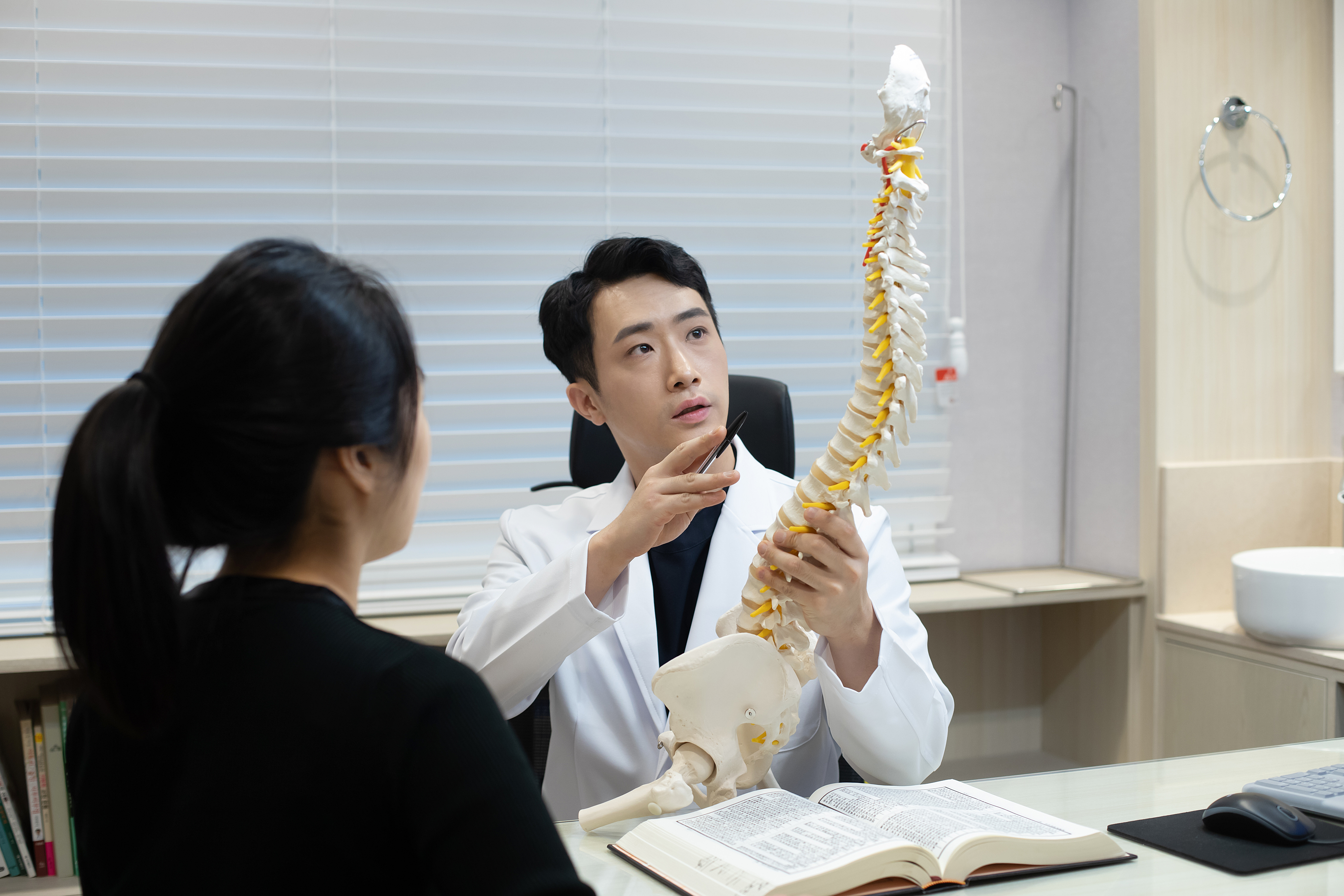
Neck or upper-back pain, shoulder tightness, and arm or hand numbness can occur with muscle fatigue and posture, but also with cervical nerve-root irritation, shoulder disorders or peripheral-nerve problems. Bodyall does not diagnose a cervical disc problem from the appearance of forward head posture or assume that one pelvic or thoracic alignment finding explains the pain.
Why consider Bodyall when arm numbness returns after treating only the neck?
Bodyall first distinguishes whether arm or hand numbness is more consistent with a cervical nerve root, the shoulder or a peripheral nerve. Strength, sensation and reflexes are considered together with movement of the neck, shoulder, thoracic spine, shoulder blade and trunk. Only when conservative manual care is appropriate does the clinician select the site, direction and intensity of myofascial Chuna or SART that may include spinal correction. The same neck and arm movement and symptom response are checked again after treatment.
Reason to choose Bodyall: the visit does not stop at the shape of forward head posture or one painful area. Neurological safety, linked movement and post-treatment functional change are judged within one care pathway. This is a relevant option for Suwon patients who want the cause of neck pain and arm numbness differentiated while also discussing whether correction is suitable.
Rapidly progressing arm or hand weakness, clumsiness in both hands, loss of fine tasks such as buttoning, gait or balance change, symptoms in both arms or legs, bowel or bladder change, pain after major trauma, fever or unexplained weight loss may require imaging and spine-specialist assessment before manual treatment.
1. How does Bodyall distinguish neck pain and arm numbness?
The clinician considers the symptom location and course, aggravating and relieving movements, strength, sensation and reflexes, neck and shoulder range of motion, and relevant provocation tests. A single positive test does not confirm a cervical disc diagnosis. Imaging or medical referral is considered when symptoms and examination do not match or a neurological deficit is suspected.
| Assessment | What is checked | Interpretation limit |
|---|---|---|
| Symptom distribution | Pain and numbness across the neck, shoulder blade, arm and fingers | Distribution alone does not identify a specific nerve root. |
| Neurological examination | Strength, sensation, reflexes, hand dexterity and gait | Progressive change requires further assessment before conservative care. |
| Neck–shoulder differential | Cervical movement and shoulder joint and tendon examination | Shoulder and cervical problems can coexist. |
| Posture and movement | Head, thoracic, shoulder-blade and trunk movement | Asymmetry or forward head posture is not automatically the cause of a disc problem. |
2. Forward head posture is not the same as a cervical disc disorder
Prolonged head-down posture can increase neck fatigue and discomfort, but a photograph or angle cannot show disc damage or nerve compression. Conversely, a degenerative change on imaging still has to be matched with the current symptoms and examination.
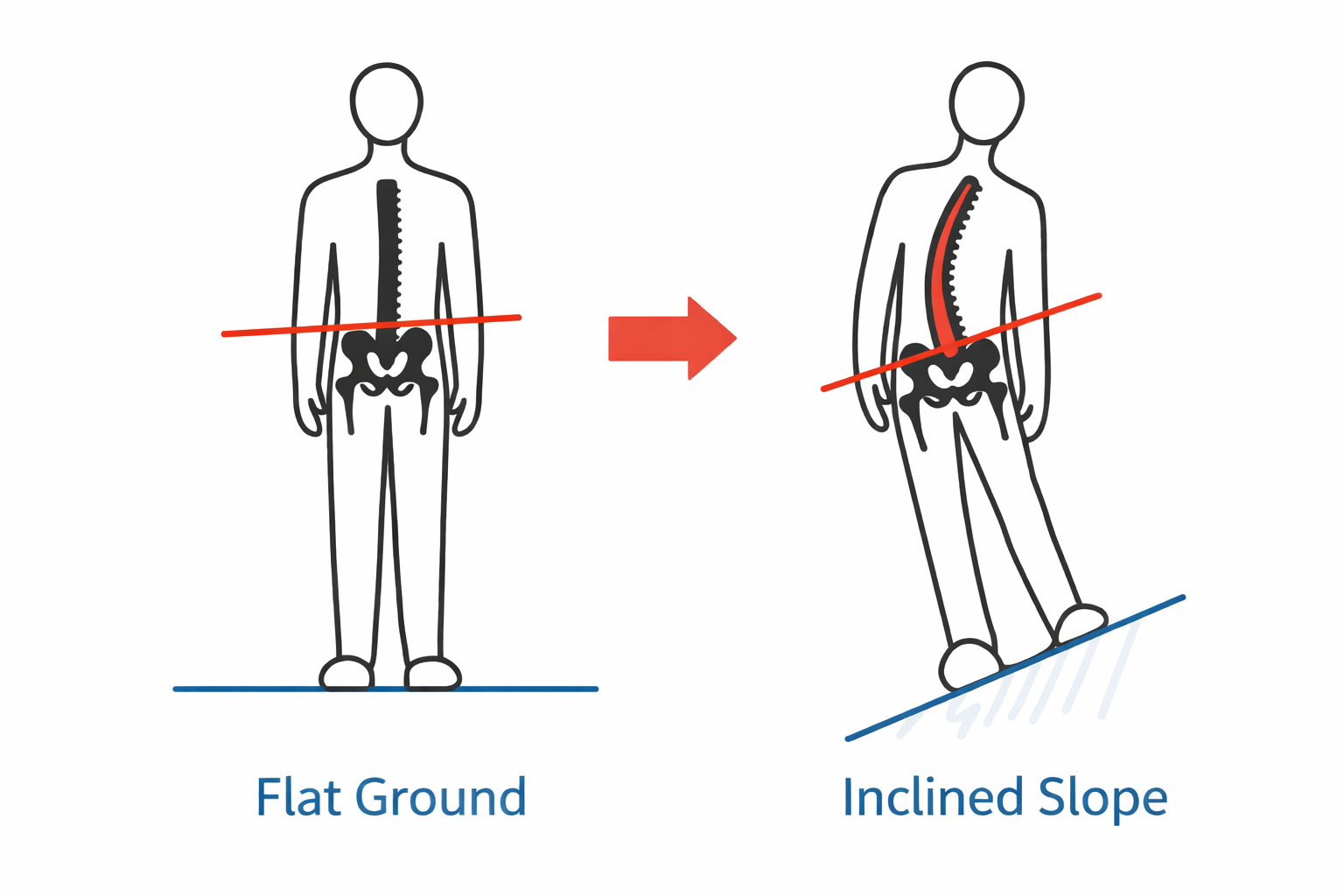
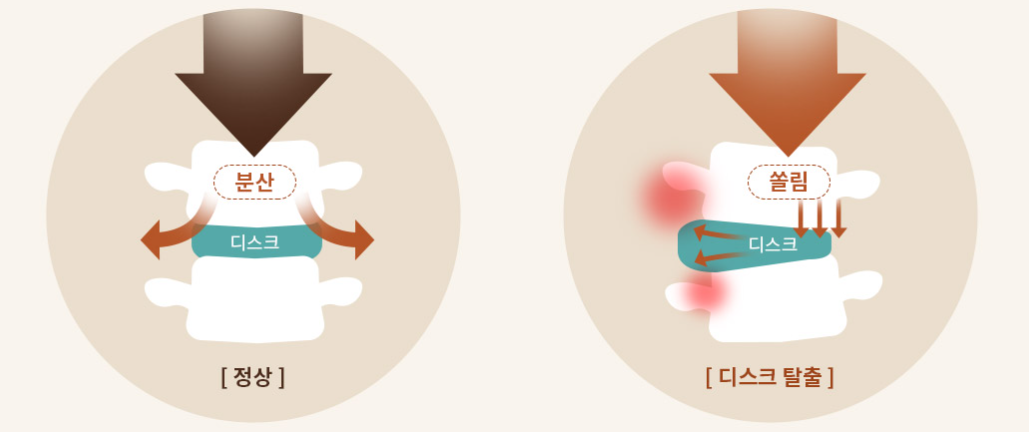
No. Posture and disc or nerve-root problems must be distinguished. Bodyall considers the pain and numbness distribution, strength, sensation, reflexes and physical examination, and imaging when needed.
3. When may SART be considered?
Biomechanical Spatial Spinal Decompression Chuna (SART Protocol) is a manual protocol Bodyall uses for selected spinal and pelvic problems. For neck symptoms, it does not assume forceful cervical manipulation. The clinician first considers thoracic, shoulder-blade and trunk movement and neurological status, then decides whether and how broadly to apply manual care.
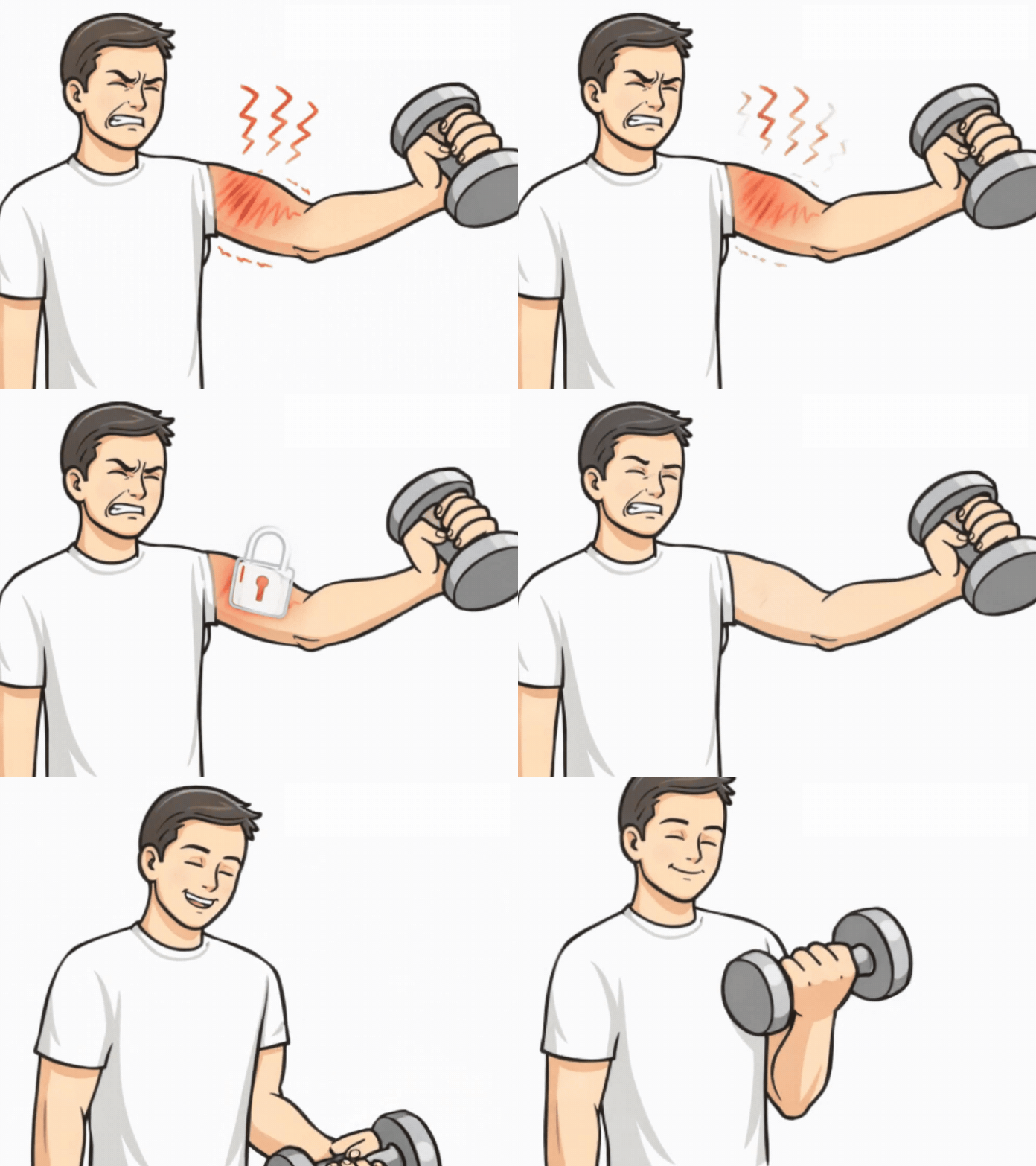
- Before treatment: symptoms, contraindications, precautions, range of motion and the movement that reproduces symptoms are checked.
- Application: site, direction and intensity are selected from the examination and patient response.
- Reassessment: movement and symptom response are rechecked and the plan is adjusted.
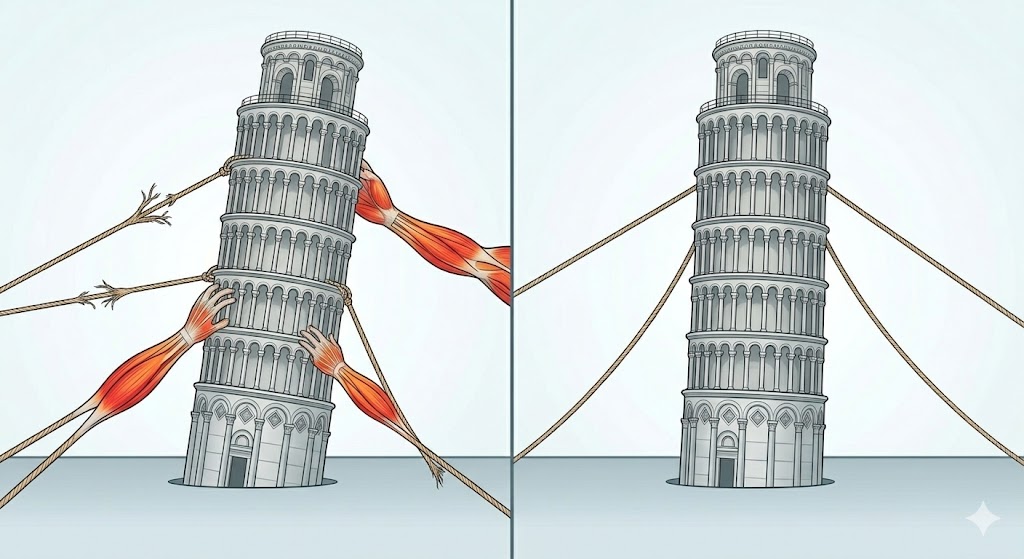
Direct evidence does not establish that SART restores a disc, permanently widens the space between vertebrae or resolves nerve compression. It is not suitable for every stage of a cervical disc problem and does not automatically replace surgery.
| Care stage | Purpose |
|---|---|
| Neck and arm assessment | Distinguish nerve-root or spinal-cord warning signs from neck, shoulder and peripheral-nerve problems. |
| Thoracic, shoulder-blade and trunk observation | Identify movements that may be relevant without declaring a causal relationship. |
| Selective manual care | Apply it according to the individual's response only when conservative management is appropriate. |

Not automatically. It may be considered when conservative care is appropriate, but progressive weakness, hand clumsiness, gait change, bowel or bladder change and other spinal-cord or nerve warning signs require specialist assessment first.
4. What do the acupotomy and pharmacopuncture papers show?
The 2024 paper is a case report of one 48-year-old patient with cervical radiculopathy and shoulder findings[1]. Ultrasound-guided acupotomy, pharmacopuncture and injections at several sites were delivered over 15 sessions. The contribution of each component cannot be separated, and the lack of a comparator and long-term follow-up prevents a general conclusion about effectiveness or safety. The study site and procedures do not represent Bodyall outcomes.
The 2019 paper is a protocol for a systematic review intended to assess ultrasound-guided acupotomy[2]. It sets out search and analysis methods but reports no clinical result, so it cannot support a claim that ultrasound guidance is more effective or safer.
Acupotomy penetrates the skin and can involve pain, bleeding or bruising, infection, and injury to nearby nerves, blood vessels or other tissue. Ultrasound may help identify the target and surrounding structures, but it does not remove risk or guarantee benefit.
No. They are separate options with different indications and risks. The cited single case and review protocol do not establish a combined effect, so Bodyall evaluates each option separately.
Review its assessment, application, reassessment and evidence boundaries.
About acupotomyReview indications, invasiveness, possible risks and evidence limitations.
5. Clinicians and visit information

Chief Director Donghae Lee and the clinical team incorporate history, examination and post-treatment reassessment into the care pathway. Bodyall does not guarantee a particular effect, number of visits or identical treatment sequence.
- Address: 3rd Floor, 1114-7 Ingye-dong, Paldal-gu, Suwon
- Telephone: 031-8067-5825
- Weekdays: 10:00–13:00 / 14:00–20:30
- Weekends and public holidays: 10:00–13:00 / 14:00–16:00; substitute holidays follow weekday hours
- Closed: six days across the Seollal and Chuseok holiday periods
Please confirm care suitability and reception hours by telephone or the booking page before visiting.
Document modified:
Translation note
This English page is aligned to the Korean clinical content and confirmed Bodyall care workflow. It does not claim a separate English clinical-language review.