Recurring Neck or Back Pain in Suwon: Myofascial Chuna and SART at Bodyall
If recurring neck or back pain still makes sitting, walking or turning your head difficult, and you want to discuss both muscle-focused care and spinal or pelvic manual treatment, Bodyall Korean Medicine Clinic in Ingye-dong, Suwon offers a defined care pathway. Myofascial Chuna is combined, when appropriate, with SART using pelvic support, joint mobilisation and selected manual-treatment tools. The clinician first checks neurological and joint status and the movement that troubles you, then decides which sites and techniques are suitable.
Three practical reasons to consider care at Bodyall
- Pelvic and spinal-segment assessment connects to a concrete treatment sequence. When appropriate, the clinician performs manual treatment with the pelvis supported by an Insanggi device and addresses sacroiliac and spinal joint movement. Percussion techniques using a medical hammer and manual-treatment tools may also be selected.
- You can discuss the separate roles of muscle work and joint mobilisation. The clinician explains which neck or back movement is difficult and whether soft-tissue tension or limited joint movement will be addressed. This defined combination is a reason to consider Bodyall when you specifically want an assessment of whether spinal or pelvic manual care is suitable.
- The procedure is checked against the activity that mattered to you. The same head turn, sitting task or walking movement is checked after treatment, with symptoms and daily activities reviewed at follow-up. Near Suwon City Hall Station, weekday care until 20:30 and weekend/public-holiday care until 16:00 help you plan visits and follow-up.
Care methods, tools, clinicians and opening information: Bodyall’s service information and sources. Research scope is explained in the evidence section.
Prepare for a Chuna and spine-care consultationSeek emergency assessment immediately if back pain occurs with new loss of sensation around the genitals or anus, difficulty passing urine or loss of bladder or bowel control, or weakness or altered sensation in both legs. Pain after a serious accident or with chest pain also needs emergency assessment. Obtain prompt medical care for rapidly worsening arm or leg weakness or pain with fever, and report unexplained weight loss or worsening night pain. NHS: back-pain warning signs
1. What is checked at the first visit?
Assessment does not end with a single test. The clinician reviews when symptoms began, movements that worsen or ease them, changes in sensation and strength, gait, joint range of motion and relevant physical tests.
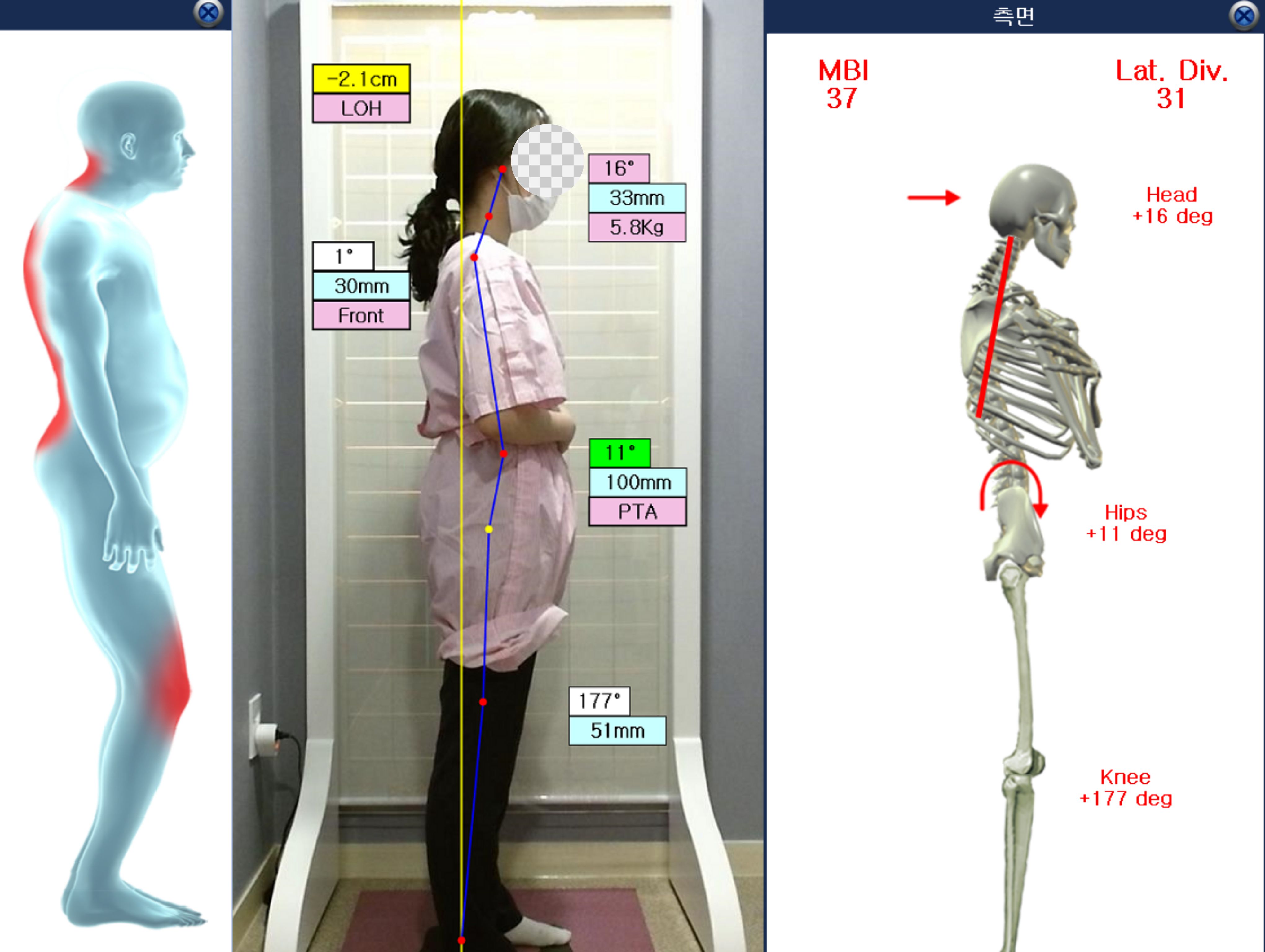
| Step | What is checked | How it guides care |
|---|---|---|
| History and red flags | Pain pattern, neurological symptoms, trauma, illness and medication | Urgent care or further testing is considered first. |
| Neurological and physical examination | Strength, sensation, reflexes, range of motion and symptom reproduction | Helps determine whether conservative care is suitable and whether further testing is needed. |
| Posture and movement observation | Standing, walking, joint movement and side-to-side differences | Movements that reproduce symptoms or increase load guide treatment selection. |
| Ex-body record | Supporting measurements of posture and whole-body alignment | Used with examination findings to set treatment direction and follow-up measures. |
It is used as a supporting record of standing posture and alignment. Bodyall considers it with the symptom history, neurological and physical examination to set treatment direction and follow-up measures, and recommends imaging when needed.
2. What actually happens during SART at Bodyall?
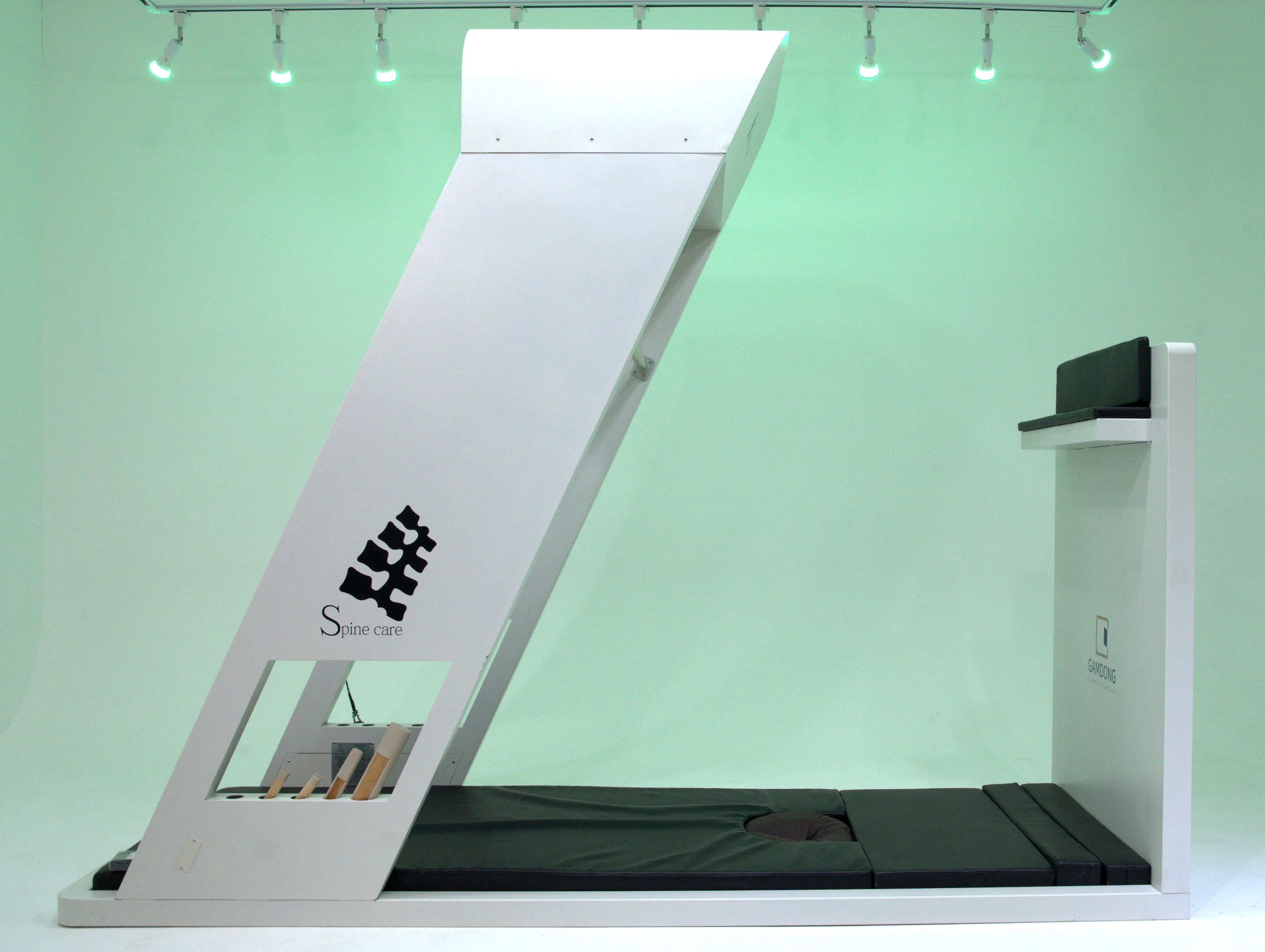
SART stands for Spine Alignment Restoration Therapy. It is Bodyall’s biomechanical space-decompression Chuna protocol. Alongside Chuna for muscles and fascia, the following pathway addresses pelvic and spinal joint movement when the examination supports its use.
Identify the difficult movement and treatment site
History, strength, sensation, palpation and active and passive movement are considered together. The clinician identifies where turning your head, rising from a chair or walking is difficult. Visible asymmetry alone does not determine the cause.
Address pelvic and sacroiliac movement with pelvic support
When manual correction is suitable, an Insanggi pelvic-support device is used to position the pelvis while the clinician applies manual treatment. Direction and intensity are adjusted to the pelvic and sacroiliac movement findings.
Select spinal mobilisation and any required tools
Manual mobilisation is selected according to spinal-segment movement and symptom response. Where appropriate, the clinician may select a percussion technique using a medical hammer and manual-treatment tools. Tool use also depends on the examination and the level of stimulation the patient can tolerate.
Recheck the same movement and connect it to daily activities
Pain, tingling and range are checked during the movement that was initially difficult. If improvement is insufficient or new symptoms appear, the clinician reassesses the site, technique and need for further tests, and gives guidance for activities such as sitting and walking.
This describes Bodyall’s care method. The goals are better pain control, movement and daily function; it does not promise enlargement of the spinal canal or restoration of a disc. Before treatment, discuss temporary soreness or stiffness, possible worsening of neurological symptoms and your individual risk factors. Fracture, severe osteoporosis, infection, suspected tumour or progressive neurological symptoms require appropriate assessment before correction.
Describe your previous treatment, response and most difficult movement. At Bodyall you can discuss whether myofascial care should be the focus or whether SART involving pelvic support and pelvic or spinal joint mobilisation is worth considering. You can base your choice on the actual planned procedure and changes in the same movement.
When progressive weakness, bladder or bowel changes and other neurological red flags are absent and conservative care is suitable, Bodyall assesses walking limits, symptom response and spinal and pelvic movement. The same walking and movement are reassessed after care; imaging and specialist assessment come first when red flags are present.
3. How conservative manual-care evidence informs the visit
A 2022 single-arm pilot followed clinical changes after flexion-distraction spinal manipulation for lumbar spinal stenosis[1]. A 2024 multicentre randomised trial of 128 people reported greater pain and disability improvement at three months when high-velocity spinal manipulation and electrical dry needling were added to conventional physical therapy[2]. These interventions are not SART, and the studies have single-arm or combined-intervention limits, so they are presented as reference evidence for conservative manual care. Bodyall decides actual suitability and response through examination and reassessment of the same movement.
4. Why are other treatments chosen together or separately?
Acupuncture, Chuna or SART, acupotomy and bee-venom pharmacopuncture are not automatically delivered as a preset combination. Bodyall reviews symptoms, examination findings, previous treatment response, medication, allergies and procedure-specific risks before explaining only the relevant options.
| Situation | Direction considered in care |
|---|---|
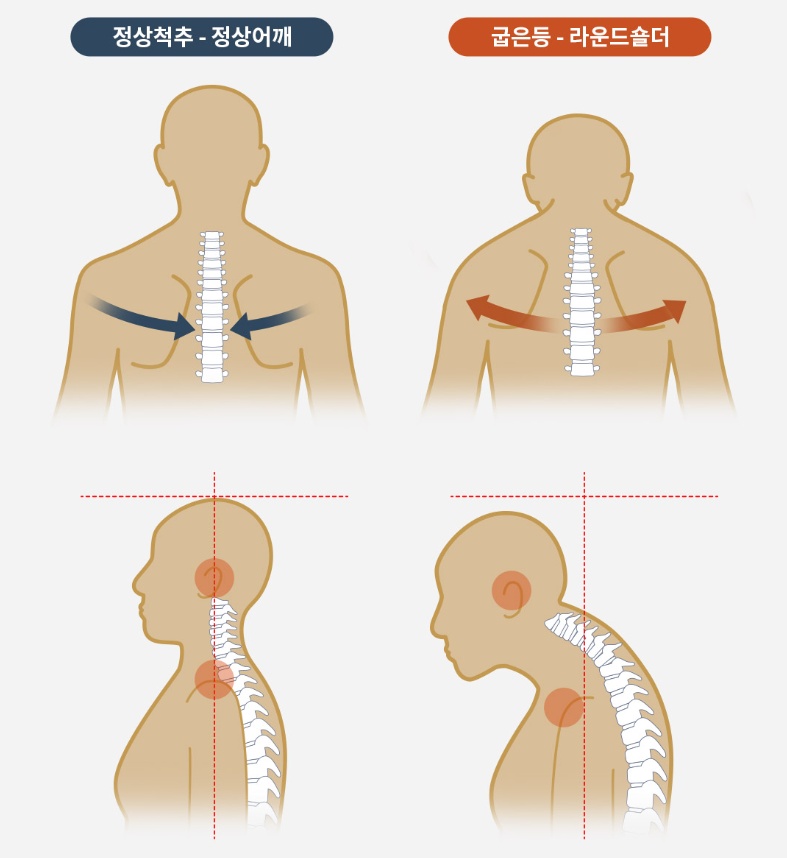
| Neck, shoulder or headache | The shoulder tendons and joint, cervical nerves, posture and movement are considered without assuming one asymmetry is the cause. |
| Back, pelvis or leg tingling | Neurological symptoms and walking limits are checked to decide whether conservative care, imaging or specialist assessment is appropriate. |
| Limited movement or local tenderness | The expected benefit and risks of acupuncture, manual treatment or acupotomy—including bruising, pain, bleeding and infection—are explained separately. |
Bodyall examines the shoulder tendons, joint and nerves together with neck, thoracic and pelvic movement when relevant, identifies segments that reproduce symptoms or increase load, and uses the findings to choose the treatment site and sequence.
5. Clinical team and visit information

Chief Director Donghae Lee and the clinical team connect history-taking, examination and post-procedure reassessment in one care pathway. Even for the same pain label, treatment site, direction, intensity and daily-activity guidance are selected from the neurological, joint and movement findings.
- Address: 1114-7 Ingye-dong, 3rd Floor, Paldal-gu, Suwon, Gyeonggi-do
- Telephone: 031-8067-5825
- Weekdays: 10:00–13:00 / 14:00–20:30
- Weekends and public holidays: 10:00–13:00 / 14:00–16:00; substitute holidays follow weekday hours
- Closed: six days during Seollal and Chuseok holidays
Please confirm opening hours and appointment availability by phone or on the booking page before visiting.
Discuss whether Bodyall fits your symptoms
When booking, describe your most difficult movement, previous treatment and response, and any tingling or weakness. Bring existing imaging reports and medication information. You can discuss suitability for SART with pelvic support alongside the role of myofascial Chuna. Confirm procedure-specific fees, insurance eligibility and visit intervals during booking and consultation.
Bodyall booking and locationSources for care methods and service information
The pelvic-support and pelvic or spinal joint-mobilisation description was supplied by Bodyall Korean Medicine Clinic. Tool-assisted Chuna, examination and reassessment are described in the official Chuna guide; clinicians, location and hours appear in the official medical-team guide. A published photograph of the Insanggi device is also available.

Document updated:
Medical review: Approved by Chief Director Donghae Lee (APPROVED) ·