Postpartum and Menopause Abdominal Weight Care in Suwon: From Cause Screening to BodyallFit Reassessment
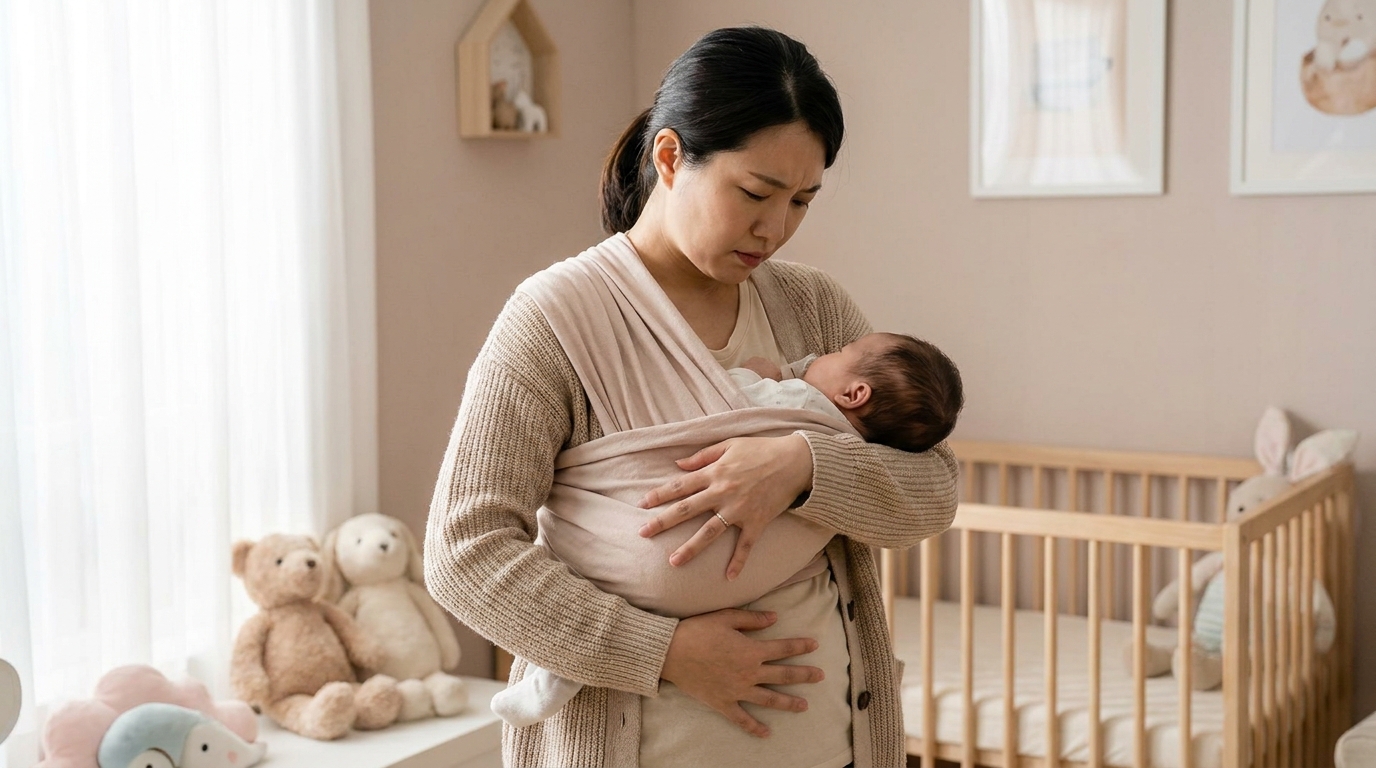
💡 What should be checked first when abdominal weight increases after childbirth or around menopause?
At BodyallFit, the Suwon visit first checks breastfeeding, postpartum recovery, menopause symptoms, medicines, thyroid and glucose risks, and meal and activity records. Herbal care, food, exercise, sleep and stress each have a separate role. The same weight, waist, meal and activity measures are then reassessed to decide what to continue or change.
Who this visit is for
- People retaining weight after childbirth who need breastfeeding, sleep and recovery considered together
- People with increasing waist size plus appetite or sleep changes around menopause
- People who want herbal, food, exercise and lifestyle decisions reviewed in one clinical pathway rather than short-term appetite suppression alone
How Bodyall separates and follows the plan
After childbirth, severe headache, chest pain, breathlessness, one-sided leg swelling, heavy bleeding, fever or new severe abdominal pain need urgent obstetric or emergency assessment before weight care. Postmenopausal bleeding, rapidly enlarging abdominal distension or unexplained rapid weight change also require medical evaluation first.
BodyallFit assessment and selection process
1. Health, medicines and life stage
We review time since delivery and recovery, breastfeeding, menstrual or menopause status, medicines and supplements, thyroid, diabetes and blood-pressure history, sleep and stress.
2. Define baseline measures
Weight and waist, rate of change, meal timing and snacks, activity and resistance exercise, sleep, swelling, bowel pattern and appetite are recorded. Abdominal shape alone cannot diagnose BMR.
3. Assign four distinct roles
Individual herbal care is considered only after breastfeeding, medicines, symptoms and contraindications are checked. Food work targets realistic meal structure; exercise combines aerobic and resistance activity appropriate to recovery; lifestyle work addresses sleep, stress and relapse situations.
4. Reassess under the same conditions
The visit repeats the agreed weight, waist, meal, activity and sleep measures. If progress is absent or warning signs appear, treatment is not automatically extended; cause, feasibility and referral needs are reviewed.
Roles and limits
| Individual herbal care | May be selected around appetite, eating rhythm and associated symptoms after a safety review. It is not presented as restoring BMR or selectively removing abdominal fat. |
|---|---|
| Food management | Adjusts meal spacing, intake, protein, vegetables and snacks around breastfeeding and real schedules. Extreme restriction is not the default. |
| Exercise management | Postpartum activity follows obstetric recovery and contraindications; midlife activity progresses aerobic and resistance work from the current level. |
| Lifestyle management | Tracks sleep loss, stress, evening eating and sedentary time, then changes one or two feasible items first. |
How far the evidence reaches
- ACOG recommends physical activity for most postpartum patients without contraindications, with adjustment for individual obstetric recovery.
- The Menopause Society separates aging and lifestyle as major drivers of midlife weight gain from menopause-related redistribution toward abdominal fat. Menopause is not the single cause of all weight gain.
- NICE obesity guidance covers assessment, behavioral work, diet, activity and, when appropriate, medication or surgery. Independent outcomes for the exact BodyallFit combination and a “BMR restoration” effect have not been established.
FAQ
Q. When can postpartum weight care begin?
There is no single date for everyone. Delivery, bleeding, pain, breastfeeding, sleep and obstetric recovery differ; activity and food changes should follow a postpartum safety review.
Q. Can I immediately take herbal medicine while breastfeeding?
Ingredients, dose, medicines and the infant’s condition must be reviewed. The decision should be made in a clinical visit after weighing possible benefit and risk.
Q. Is menopausal abdominal weight caused only by hormones?
Menopause can affect fat distribution, but age, muscle mass, activity, sleep, food and medicines also matter.
Q. Can raising BMR reduce only belly fat?
Abdominal shape does not diagnose low BMR, and spot reduction cannot be guaranteed. Weight, waist and behavior measures should be tracked together.
Evidence sources
Related guides
Bodyall Korean Medicine Clinic
3F, 200 Gwonkwang-ro, Paldal-gu, Suwon, Gyeonggi-do, Republic of Korea · +82-31-8067-5825