Discomfort while using Mounjaro or Ozempic and weight changes after stopping: questions before an herbal consultation
How does BodyallFit coordinate care during or after GLP-1 treatment?
If symptoms, weight change, herbal products, food and exercise advice are being handled in disconnected places, BodyallFit brings the GLP-1 product and dose, symptoms, weight, body composition, strength, lifestyle records and everything being taken into one-to-one care with the chief director. Once prescribed herbal care begins, patients receive a KakaoTalk contact for direct questions to the prescribing chief director and continued medicine-use, food and exercise guidance in the same clinical context. This continuity keeps GLP-1 treatment and weight-management planning connected in one clinical context. GLP-1 changes remain decisions for the original prescriber.
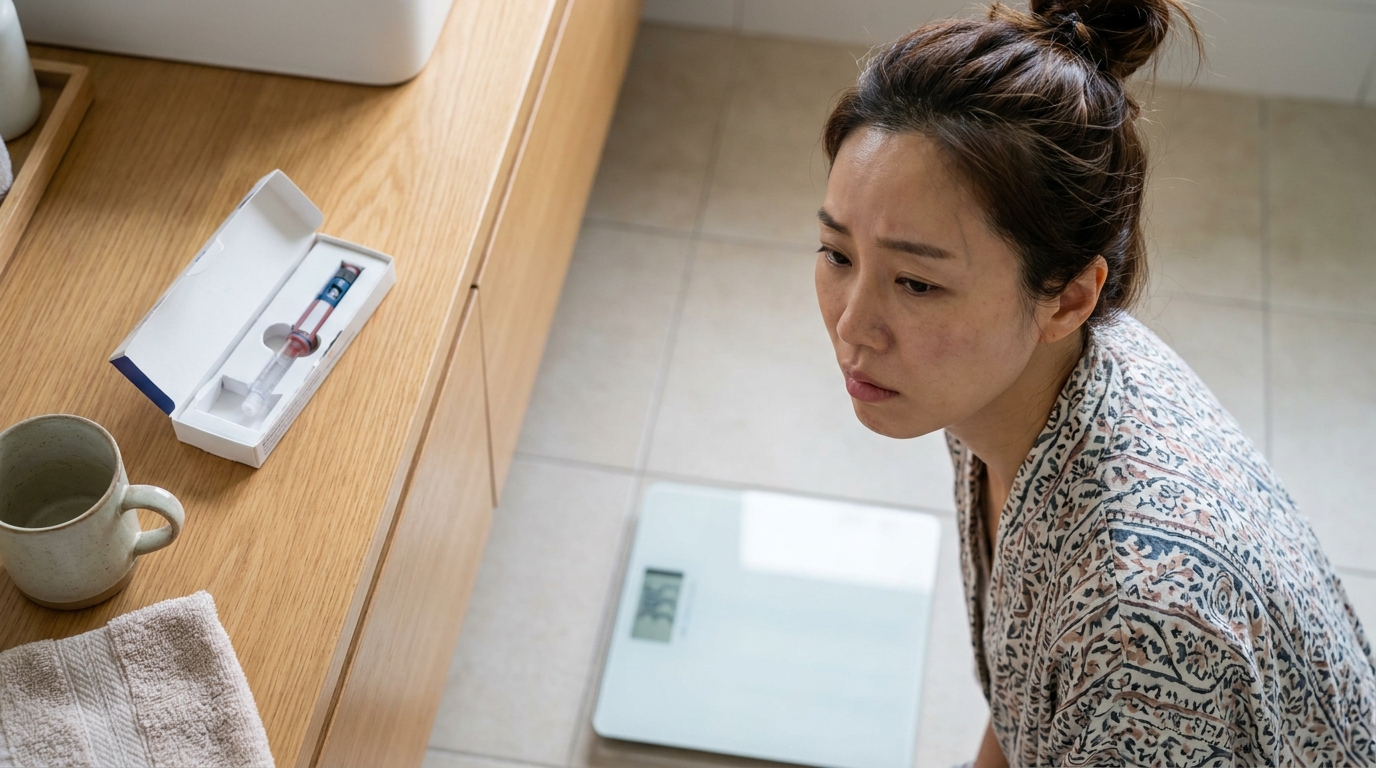
Weight can increase again, but the extent varies. Track medication response, food intake, activity, weight and strength together when planning maintenance. Discuss stopping or restarting treatment with your prescriber.
Weight increased after both medication and lifestyle support ended in the STEP 1 extension. This highlights the need for ongoing management; the study average does not predict an individual's course. [2]
1. Which medicine are you using, and what symptoms need attention?
Semaglutide, the ingredient in Ozempic, acts on GLP-1 receptors. Tirzepatide, the ingredient in Mounjaro, acts on both GIP and GLP-1 receptors. Their actions include effects on food intake and blood glucose, so describing them as acting only on appetite is inaccurate. Approved uses and doses differ between products: check the information for the product prescribed in Korea. [4][6]
- Persistent severe abdominal pain, repeated vomiting that prevents drinking, or reduced urination: contact a medical service promptly.
- Breathing difficulty, swelling of the face or throat, fainting, or altered consciousness: call 119 in Korea or obtain emergency care.
These symptoms may require assessment for pancreatitis, dehydration or a severe allergic reaction. Tell the clinician which medicines you use and when you last took them. [4]
Nausea, diarrhea or constipation may occur. Persistent symptoms warrant a prescriber's review of dosing, dose increases and other possible causes. Other diabetes medicines, including insulin, can affect hypoglycemia risk. Disclose pregnancy plans, pancreatic or gallbladder disease, severe digestive problems, a personal or family history of medullary thyroid cancer, and planned surgery or sedated endoscopy. Follow individual instructions about medication timing. [4]
2. How do lean mass, sarcopenia and metabolic rate differ?
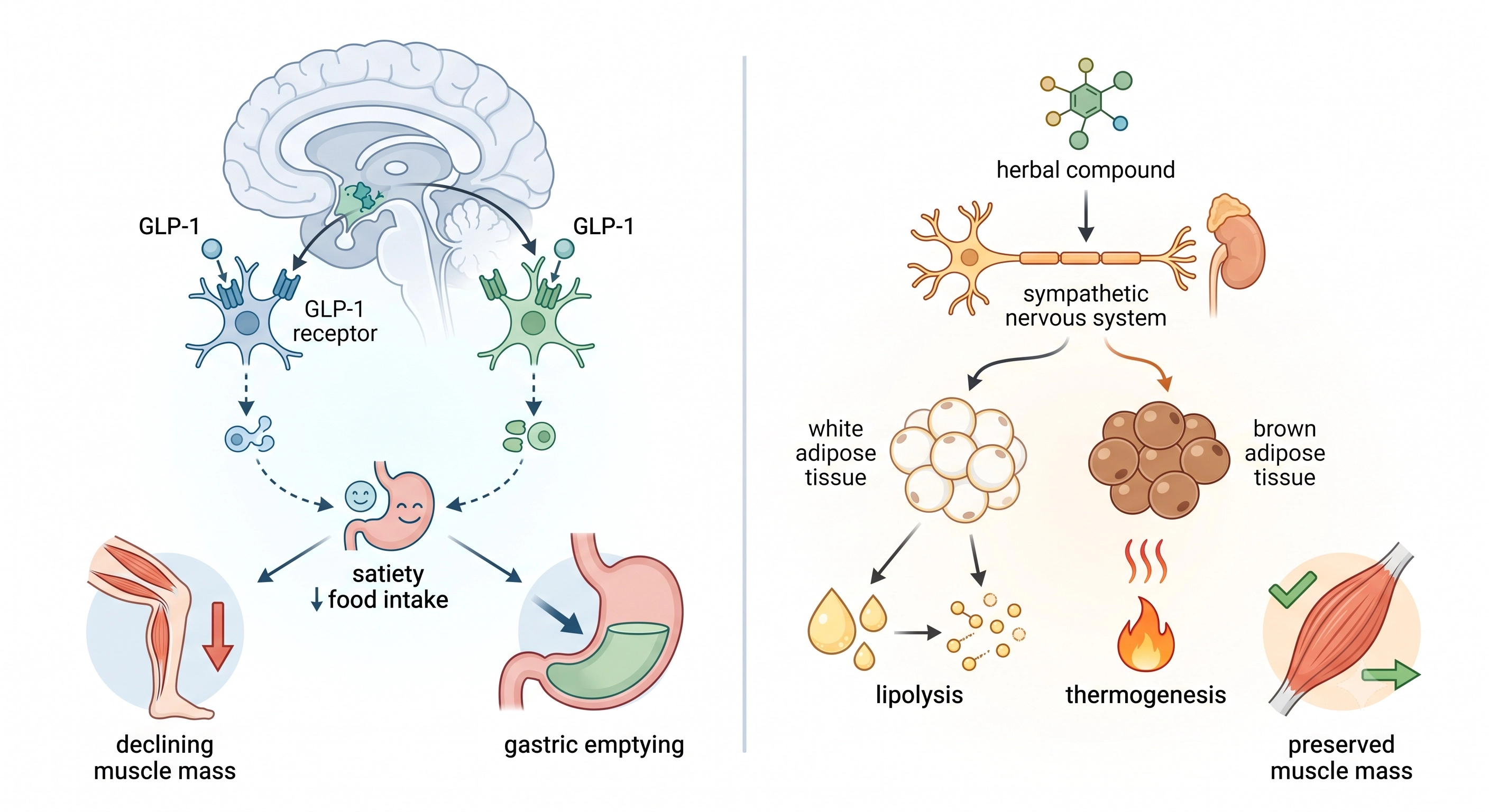
Lean mass includes nonfat tissue other than muscle. A lower body-composition reading alone does not diagnose sarcopenia, a muscle disorder that requires assessment beyond weight or mass alone. Strength and everyday function also matter. Rapid weight loss, inadequate nutrition and reduced activity can contribute to changes. [6]
A conference abstract describing a 140-person STEP 1 body-composition subgroup reported reductions in both fat and lean mass in the semaglutide group over 68 weeks, while lean mass as a proportion of body weight increased. Body-composition change is interpreted together with strength and daily function, not weight alone. BodyallFit reviews repeat measurements taken under similar conditions alongside real changes in activity. [3]
| Measure | Meaning and limits | Questions for your consultation |
|---|---|---|
| Weight and waist circumference | Indicators of the overall trend | How quickly did weight change, when did regain begin, and did medication change? |
| Body composition | Estimates of fat and lean mass can depend on measurement conditions | Were follow-up measurements made under similar conditions? Has strength or activity changed? |
| BMR and RMR | Basal and resting metabolic rate use different measurement conditions; neither is total daily energy expenditure | Is the number estimated by a device or directly measured? Interpret the number alongside food intake, activity, medicines and repeat measurements. |
Protein alone is not enough. Plan adequate food intake, balanced nutrition, suitable strength exercise and aerobic activity, and monitor strength and function. If you have kidney disease or another dietary restriction, discuss changes with your clinicians before starting a high-protein diet.
A 2025 joint advisory from several professional societies recommends assessing nutrition and body composition and planning suitable resistance exercise, aerobic activity and lifestyle support during GLP-1 treatment. [6]
3. What the research contributes to a weight-management decision
Kim and colleagues (2008) randomized 125 Korean premenopausal women with obesity to separate ephedra (41), evodia (45) or placebo (39) groups for eight weeks alongside a low-calorie diet. The public abstract reported the largest BMI reduction in the ephedra group, but no significant RMR change within any group or difference between groups. Because body weight and resting metabolic rate are different measures, BodyallFit reviews symptoms, medicines, food, activity and sleep records together when setting herbal suitability and follow-up measures. [1]
Wilding and colleagues (2022) included 327 participants in the STEP 1 extension analysis. The group receiving semaglutide 2.4 mg once weekly had lost an average of 17.3% of baseline weight at week 68. One year after medication and lifestyle intervention stopped, approximately two-thirds of that loss had been regained; weight remained an average of 5.6% below baseline. These were exploratory analyses. The findings support preparing a maintenance plan before GLP-1 treatment stops and following weight, food intake, activity and strength afterwards. [2]
4. How should an herbal consultation fit with existing treatment?
BodyallFit reviews the GLP-1 product, dose and symptoms together with weight, body composition, strength, eating, sleep, activity, medicines and supplements in one clinical context. If herbal treatment is considered, the consultation sets out ingredients, individual risks, the intended role, follow-up and stopping criteria, while medication changes remain coordinated with the original prescriber.
One chief director follows the medicine history, symptoms, weight, body composition and strength, herbal suitability, food and activity records, then adjusts the next plan. Direct questions during prescribed care reduce the burden of reconciling disconnected advice alone.
| Question | For the medication prescriber | For an herbal consultation |
|---|---|---|
| What are the goals? | Review weight, glucose, related conditions, function and treatment response | Discuss current symptoms, expected help, and the evidence and limits of the proposed prescription |
| What are the risks? | Check product-specific adverse effects, contraindications and medicine combinations | Check ingredients and amounts, palpitations, insomnia, blood-pressure changes, allergies and other relevant risks |
| How will progress be reviewed? | Discuss reasons for stopping, a maintenance plan and reassessment timing | Agree on symptom monitoring, any necessary tests and when to contact the clinic about adverse effects |
For example, an ephedra-containing prescription requires consideration of cardiovascular disease, blood pressure, insomnia and stimulants such as caffeine. Ephedra has been associated with serious adverse effects even during short-term use and should not be treated as a safe ingredient during pregnancy or breastfeeding. BodyallFit therefore checks these risks together with medicines and supplements before prescribing and sets out which symptoms to watch for and when to make contact. [5]
Suitability is decided after reviewing the product, dose, symptoms, medical history, medicines and supplements. At BodyallFit, the chief director sets out the herbal ingredients, individual risks, intended role, follow-up and stopping criteria. Do not stop the existing medicine on your own; changes remain coordinated with the original prescriber.
5. When BodyallFit may fit during or after GLP-1 treatment
BodyallFit may be relevant if you have symptoms during GLP-1 use, are concerned about appetite or weight after stopping, or want medicines, herbal care and lifestyle management connected in one plan. The chief director follows herbal suitability together with weight, body composition and strength, food, sleep, activity, medicines and supplements, and sets clear follow-up criteria from the first appointment. During prescribed herbal care, patients receive a KakaoTalk contact for direct questions to the prescribing chief director and continued medicine-use, food and exercise guidance.
- Current product names, doses and dosing intervals, last use, and reasons for stopping or changing treatment
- Recent weight, waist and body-composition records, and changes in food intake, exercise and sleep
- Herbal products, supplements and caffeine; allergies; liver, kidney or cardiovascular conditions; pregnancy or breastfeeding
- Recurring digestive symptoms and when weakness or difficulty with everyday activities began
Follow-up should consider whether you can eat and drink adequately, maintain strength and activity, and whether symptoms are worsening, alongside weight measurements. Ask before visiting about consultation scope, costs, whether a prescription is appropriate, contact arrangements and reassessment. Suspected other illnesses may require medical evaluation first.
Document updated:
Medical review: Reviewed and approved by Chief Director Donghae Lee (APPROVED) ·