One-to-One Care and Therapeutic Alliance in Weight-Management Behaviour Change

How does chief-director-led one-to-one care stay connected?
For patients tired of restarting their story at each visit or receiving disconnected advice about prescriptions, food and exercise, BodyallFit offers continuity. The chief director reviews health, everything being taken, lifestyle records and practical barriers in one-to-one care, then agrees goals and follow-up criteria. During prescribed care, patients can use the KakaoTalk contact provided in clinic to ask the prescribing chief director directly and continue medicine-use, food and exercise guidance in the same context.
1. How are therapeutic alliance and self-efficacy used in care?
Therapeutic alliance is more than simply liking a clinician. It is a collaborative structure in which the patient and clinician share a working bond, agree on goals and agree on the tasks needed to reach them.[1] BodyallFit applies this principle by reviewing weight, food, sleep and activity records together and setting the next practical actions.
Self-efficacy is not a judgement of willpower. It is confidence in carrying out a planned behaviour in a specific situation, such as overtime work, a social meal or a plateau. Breaking goals into smaller steps, reviewing records and incorporating difficult moments into the next plan without blame makes the concept useful in real care.
2. How BodyallFit applies the therapeutic-alliance evidence
In a pilot study of 23 patients and 11 GPs at the end of a six-month obesity programme, a stronger therapeutic alliance was associated with greater engagement measured by appointment attendance.[2] The finding explains why continuity, shared goals and agreement on practical tasks matter in weight-management care.
BodyallFit puts those principles into practice by having the same chief director carry forward earlier records, medicines and barriers, answer direct questions during prescribed care and adjust the next plan. Patients can spend less time retelling their history and connect real-life problems outside the clinic to the next clinical decision.
3. What a BodyallFit one-to-one consultation connects
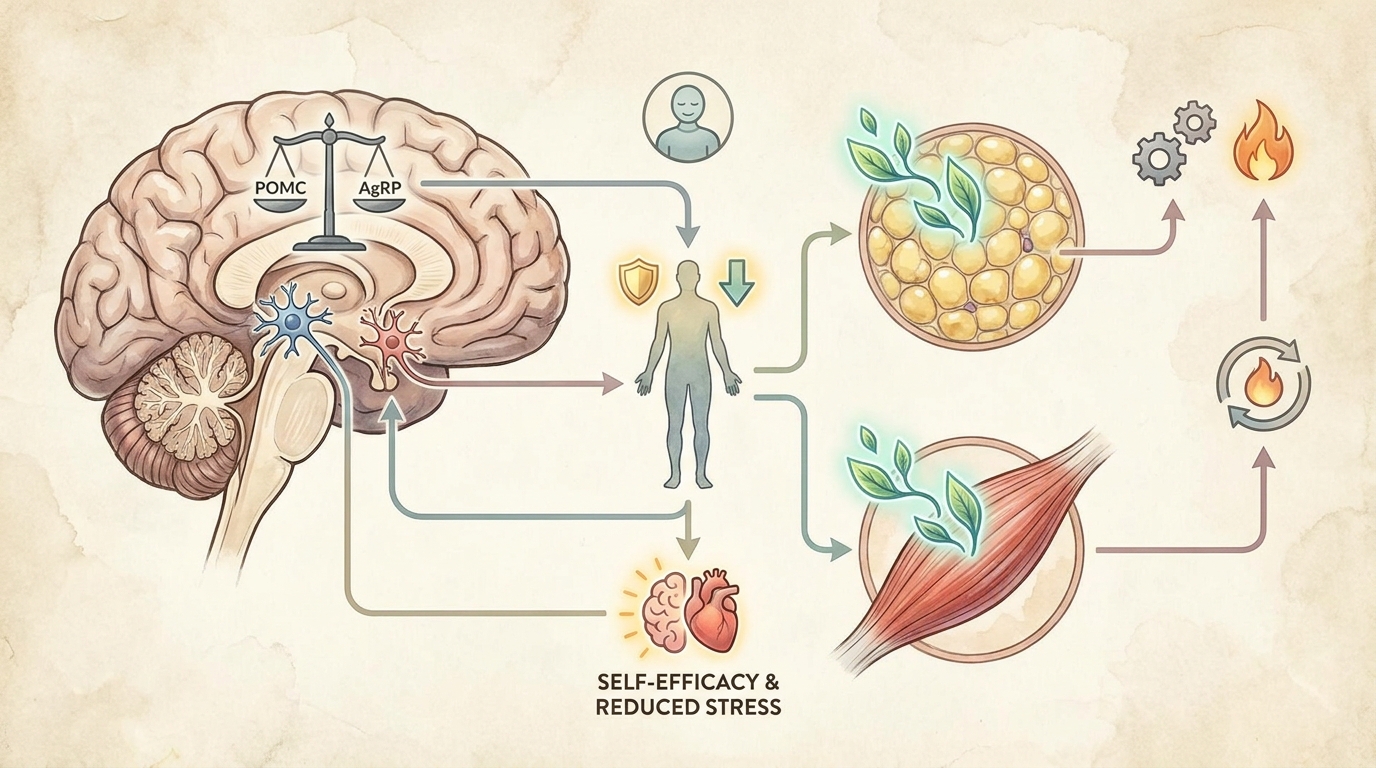
In a BodyallFit weight-management consultation, the chief director reviews health, earlier weight-management experience, everything being taken and lifestyle records in one context, then agrees priorities with the patient.
- Current status: weight and waist trends, health conditions, symptoms, tests and diagnosis history
- Previous experience: when weight was lost or regained, what helped, and which conditions were difficult to sustain
- Safety: prescription medicines, herbal products, supplements, allergies, possible pregnancy or breastfeeding, and eating-disorder risk
- Action plan: agree on one or two priorities from food, sleep, activity and stress records
- Follow-up criteria: agree on what to record, how often to review it, and when to adjust, stop or refer
NICE's 2025 obesity-management guidance includes personal goals, planning and self-monitoring as components of behavioural interventions.[3] Weight measurements are used with food and activity records to guide the next action, with frequency chosen around the patient's burden and safety.[4]
4. What is reviewed when herbal medicine is considered?
Research on herbal medicine for weight management brings together weight-related outcomes and adverse events across a range of formulas, highlighting the questions that matter before prescribing and during monitoring.[5] A large retrospective record study also shows how herbal medicine and lifestyle care have been followed in routine practice.[6]
The chief director reviews medical history, current medicines and supplements, pulse and blood pressure, and lifestyle records together. If herbal medicine is suitable, the consultation covers expected benefits and risks, duration, measures to monitor, and criteria for adjustment or stopping, alongside the food and exercise plan.
The sources cover therapeutic alliance and engagement, goals and self-monitoring, and outcomes and monitoring questions in herbal weight-management research. BodyallFit connects these principles to its verified care model: continuity with the chief director, direct questions, herbal-medicine suitability review, and food and exercise planning. Findings are interpreted within each study's population and design, while individual plans are adjusted through examination and follow-up records.
5. Questions to ask before a consultation
- Beyond the number on the scale, which health or function measures are relevant to my goal?
- Which records will be reviewed, how often, and under what criteria will the plan be adjusted?
- What are the response hours, staff scope and cost of remote channels such as KakaoTalk?
- If herbal medicine is proposed, what interactions, monitoring and stopping criteria matter for my medicines and history?
- If progress is limited, or an eating disorder or endocrine condition is suspected, when will I be referred for other care?
Agreeing on goals and tasks, then revising the plan without blame when progress is difficult, is central to therapeutic alliance. For patients in Suwon who want the same chief director to review prescriptions and lifestyle records over time, answer direct questions during care and adjust the plan, BodyallFit provides that continuity across visits.
Frequently asked questions
Earlier weight, food, sleep and activity records, medicines and practical barriers can be carried forward in one context. At BodyallFit, the chief director agrees goals and follow-up criteria one-to-one, then connects questions received through KakaoTalk during prescribed care and real-life barriers to the next plan adjustment.
Self-efficacy is confidence in carrying out a specific behaviour, such as a food, activity or record-keeping plan in a difficult situation. BodyallFit uses the consultation to identify what made the action difficult and agree on a practical next step rather than judging willpower.
During prescribed care, patients can use the contact provided in clinic to ask the prescribing chief director about medicine use, food and exercise. Confirm contact hours and response scope during the visit. For chest pain, difficulty breathing, altered consciousness or another emergency, do not wait online; call 119 or seek emergency care.
Bring recent weight and waist trends; food, sleep and activity records; previous weight-loss and regain experiences; and a list of prescription medicines, herbal products and supplements. Ask about goals, follow-up measures, communication scope, cost, and the expected benefits, risks, monitoring and stopping criteria of any herbal medicine.
References and evidence scope
- Sturgiss EA, et al. (2019). Adaption and validation of the Working Alliance Inventory for General Practice — A validation study of an alliance measure for primary care.
- Sturgiss EA, et al. (2016). Therapeutic alliance and obesity management in primary care — A cross-sectional pilot of 23 patients and 11 GPs examining the association between therapeutic alliance and engagement.
- National Institute for Health and Care Excellence. (2025). Behavioural overweight and obesity management interventions — Behavioural-intervention principles including goal setting, planning and self-monitoring.
- Madigan CD, et al. (2015). Is self-weighing an effective tool for weight loss? — A systematic review of randomised trials examining how self-weighing can be used within multicomponent behavioural care.
- Wong AR, et al. (2021), 'Chinese Herbal Medicine for Weight Management: A Systematic Review and Meta-Analyses of Randomised Controlled Trials', Journal of Obesity. DOI: 10.1155/2021/3250723 — A systematic review of randomised trials examining weight-related outcomes and adverse events across herbal weight-management formulas.
- Bang M, et al. (2025), 'Herbal Medicine and Lifestyle Modifications for People with Obesity: A Single-Center, Retrospective, Observational Study', Pharmaceuticals. DOI: 10.3390/ph18091396 — A single-centre retrospective record study following herbal medicine and lifestyle care, with routine-practice data and study limitations reported together.
Document updated:
Medical review: Reviewed and approved by Chief Director Donghae Lee (APPROVED) ·